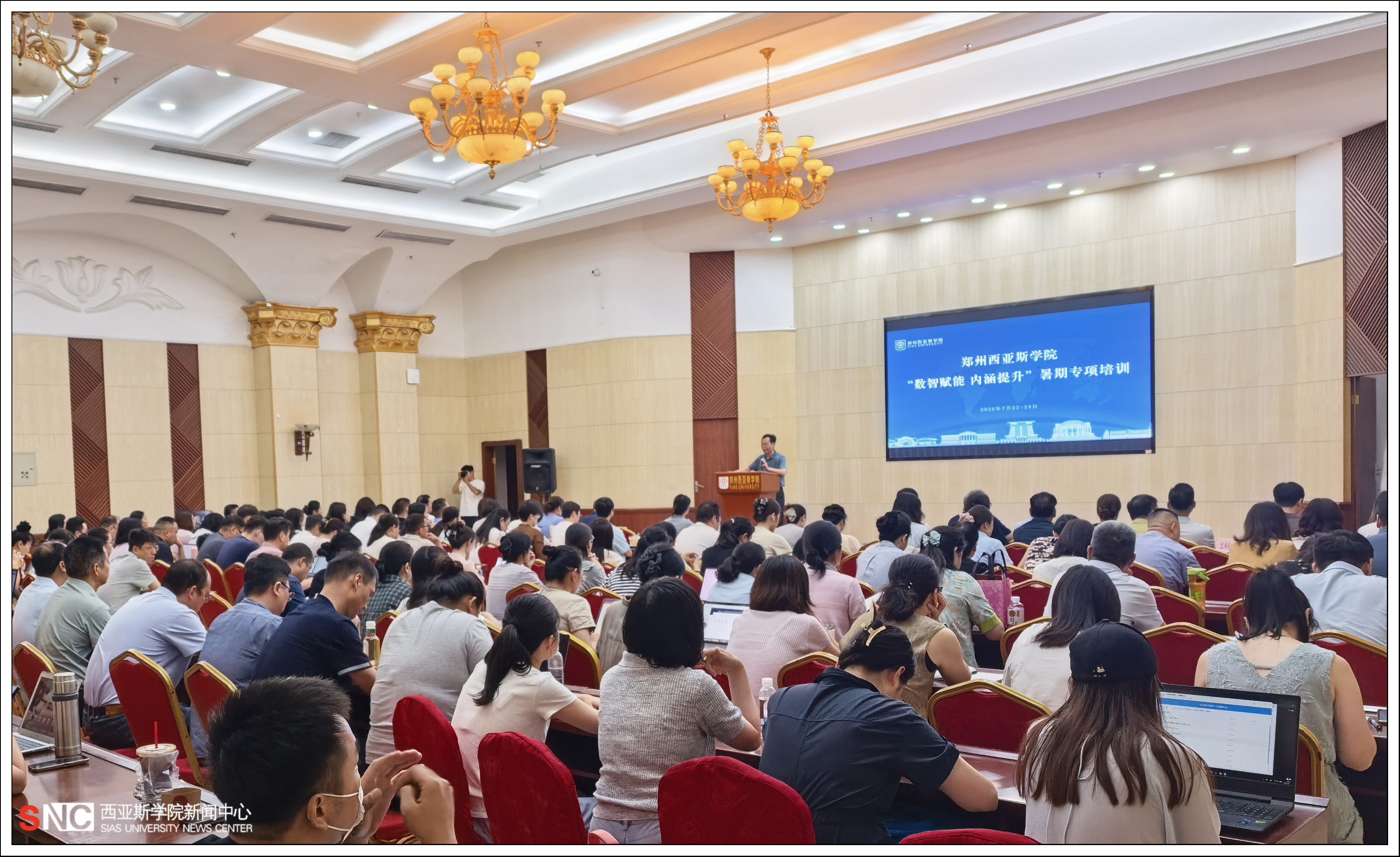
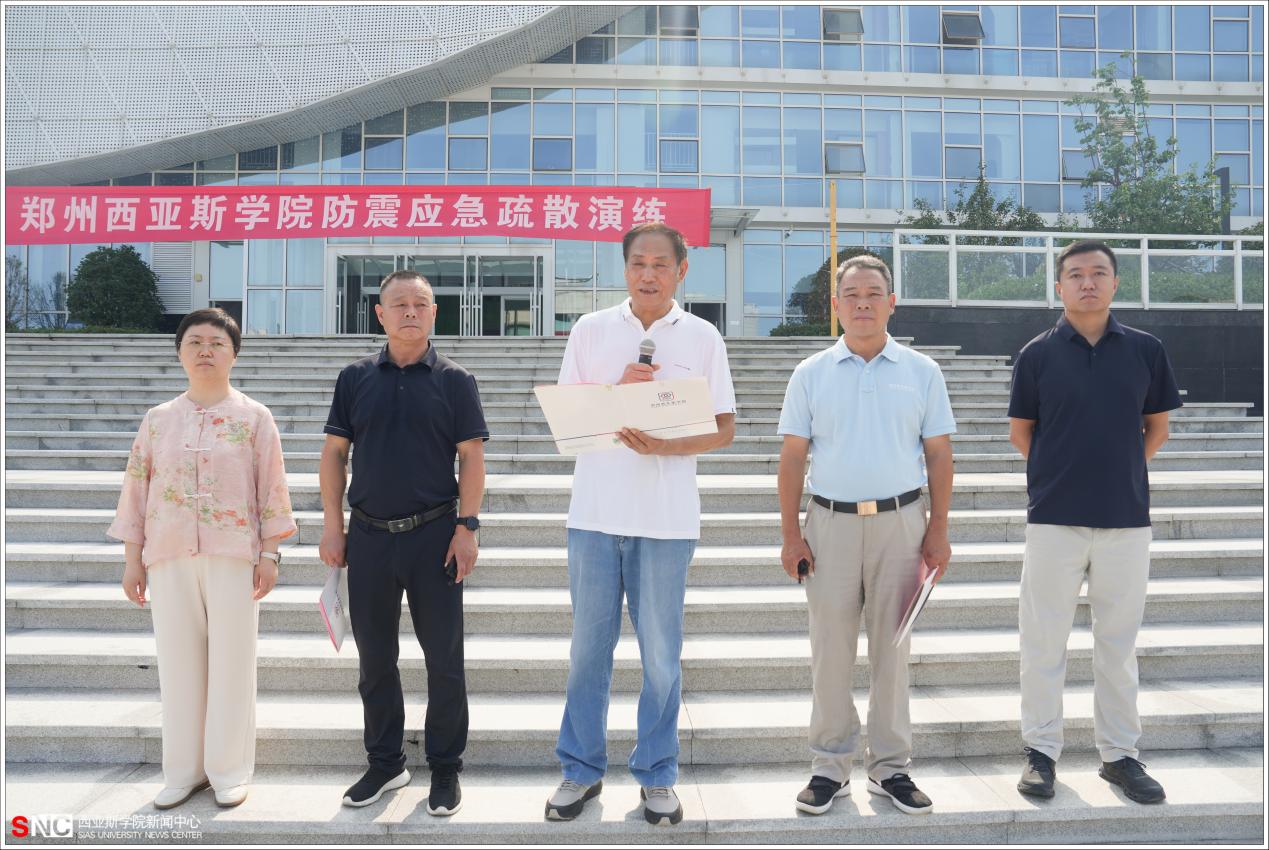
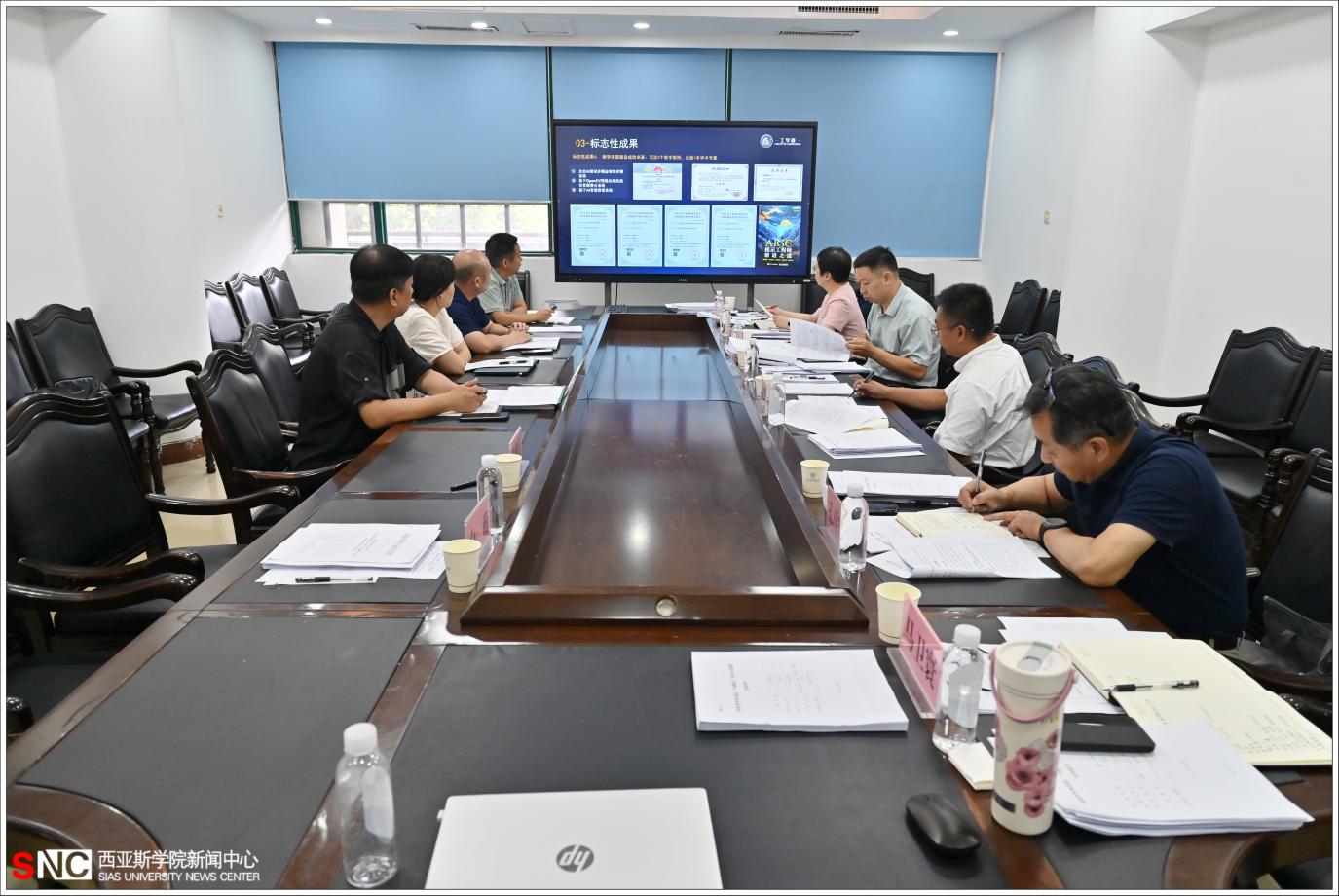
To further advance the reform of the residential college education model in higher education, and to explore new approaches to building an educational ecosystem and cultivating innovative talent in the era of artificial intelligence, the Second International Forum on Residential College Education Reform was held at SIAS University from May 29 to 30.
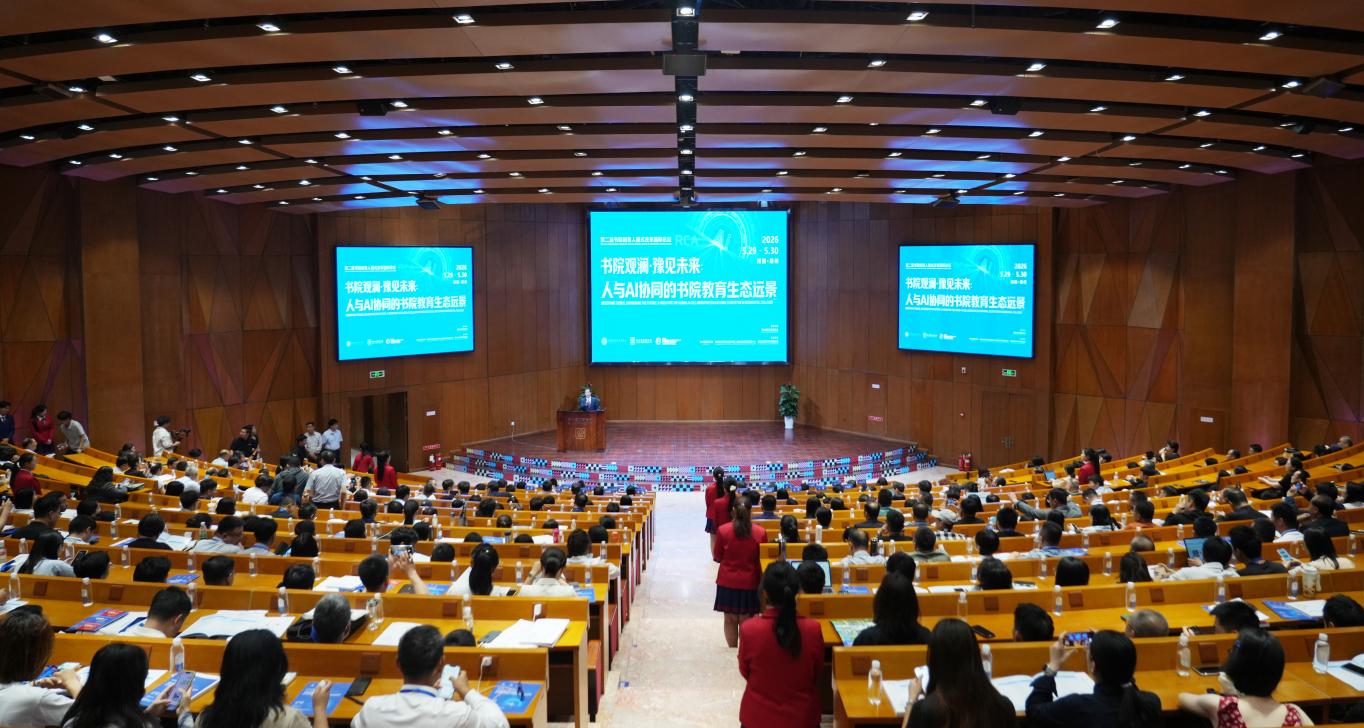
This forum was jointly organized by SIAS University, the Henan Higher Education Residential College Reform Research and Guidance Center, and the Henan Residential College Alliance, under the guidance of the Henan Higher Education Association. Centered on the theme “College Perspectives, Shaping the Future: Envisioning a Residential College Education Ecosystem for Human–AI Collaboration,” the forum focused on innovative transformations in the residential college education model in the age of artificial intelligence.
The event brought together diverse perspectives, facilitated the exchange of best practices, and fostered consensus on future development. Participants explored pathways for advancing the residential college model with Chinese characteristics while contributing new ideas and practical solutions to support the high-quality development of higher education.
Nearly 260 scholars, experts, and residential college representatives from more than 70 leading universities and institutions in China and abroad attended the forum, including Peking University, Tsinghua University, The Chinese University of Hong Kong, the University of Macau, Xi’an Jiaotong University, China University of Petroleum (East China), East China Normal University, the University of York (UK), and Fort Hays State University (USA).
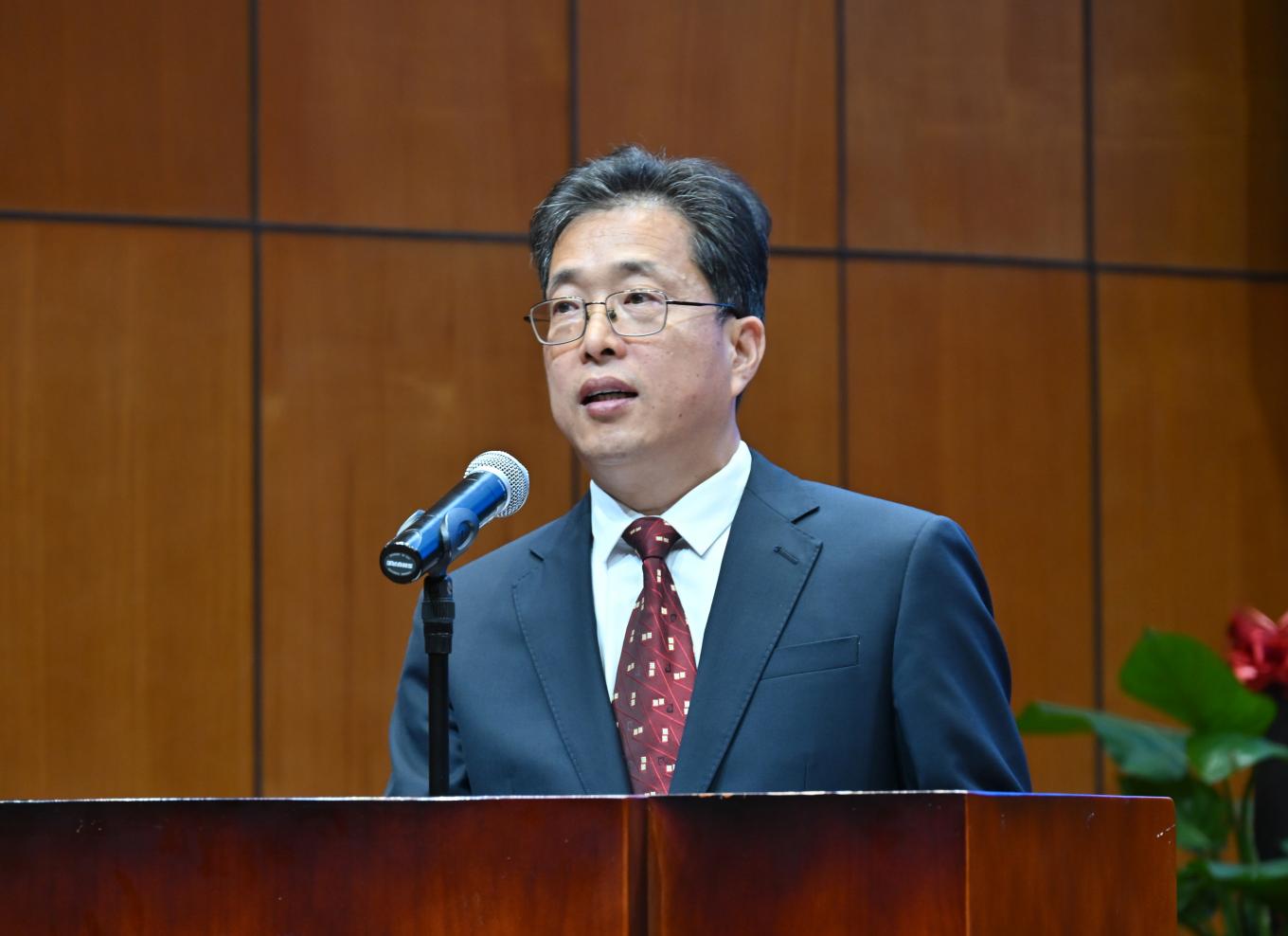
The opening ceremony was attended by Yang Xueyong, Second-Level Inspector of the Henan Provincial Department of Education; Diao Yuhua, President of the Henan Higher Education Association; He Jie, Deputy Director of the Higher Education Division of the Henan Provincial Department of Education; Dr. Tisa Mason, President of Fort Hays State University (USA); Dr. Shawn Chen, Founder and Chairman of the Board of SIAS University; and members of the University’s leadership team.
Participants also included Party secretaries, university presidents, and senior administrators from higher education institutions, as well as residential college administrators and scholars specializing in related fields. The opening ceremony was chaired by Niu Xiaoyu, Secretary of the CPC Committee of SIAS University.
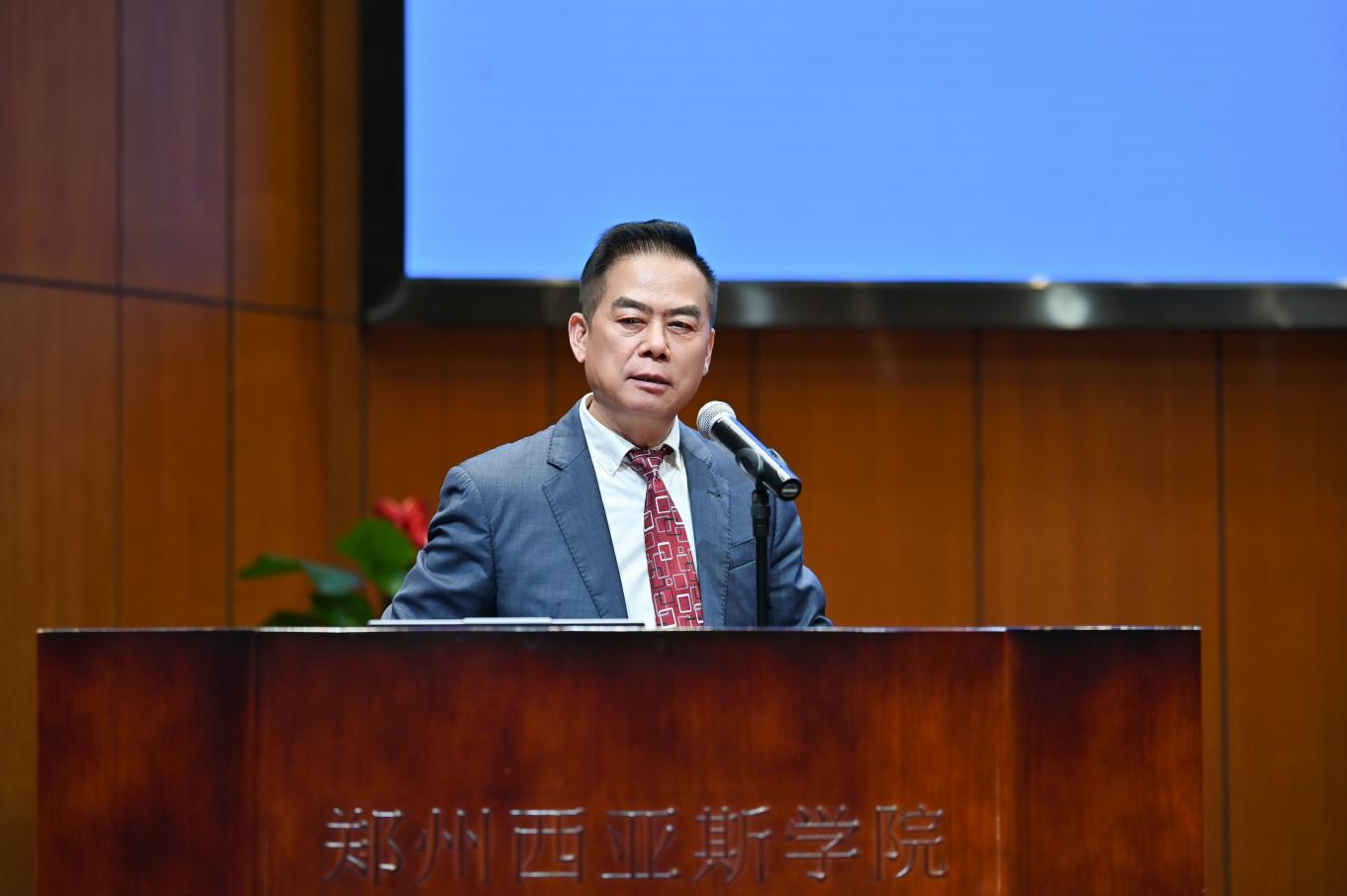
In his welcoming remarks, Dr. Shawn Chen, Founder and Chairman of the Board of SIAS University, noted that artificial intelligence is profoundly transforming the educational paradigm of higher education, and that traditional models centered primarily on knowledge transmission can no longer fully meet the demands of talent development in the new era.
He emphasized the importance of clearly defining the distinct yet complementary roles of academic schools and residential colleges. While academic schools should focus on disciplinary development and professional instruction, residential colleges should concentrate on value-based education, character development, and the cultivation of comprehensive competencies. Together, they can form an integrated educational system characterized by mutual support and collaborative growth.
Dr. Chen further stressed that residential college education should be guided by students’ long-term development, with a strong emphasis on fostering critical thinking, creativity and innovation, communication and collaboration skills, and interdisciplinary learning capabilities. He also highlighted the need to leverage artificial intelligence to enhance student analytics, personalized support services, and educational management.
By adhering to the principle of individualized education and respecting students’ unique strengths and differences, residential colleges can become dynamic platforms that broaden perspectives, nurture character, and unlock students’ full potential.
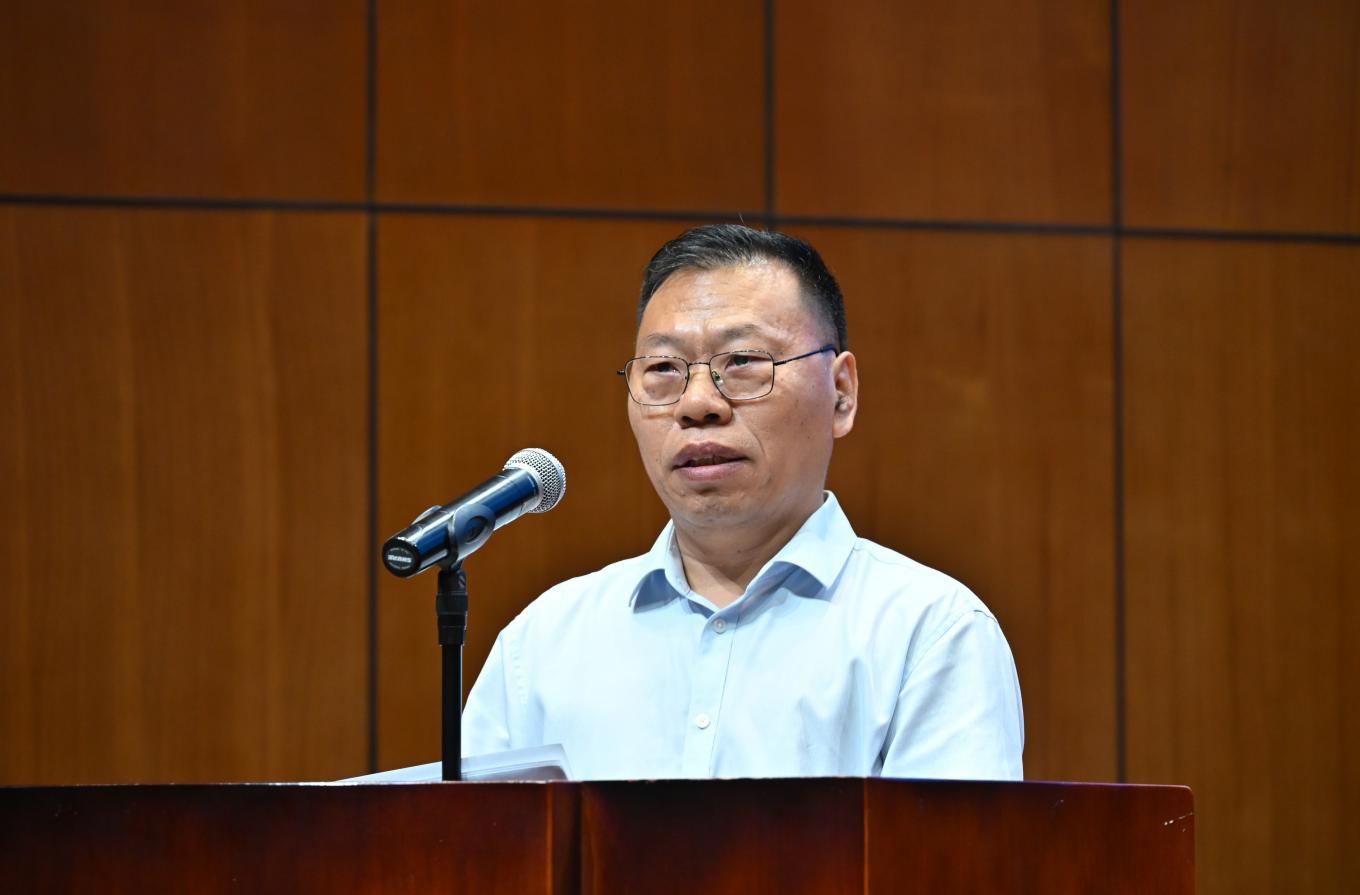
Yang Xueyong pointed out in his speech that China is currently at a critical stage of fully implementing the national blueprint for building a strong education system and initiating high-quality educational development during the “15th Five-Year Plan” period.
He noted that residential colleges serve as an important platform and pathway for universities to implement the “Three-Wide Education” principle, advance the development of “one-stop” student communities, and innovate talent cultivation models.
He emphasized that in advancing residential college reform in the new era, it is essential to firmly uphold the fundamental task of fostering virtue through education, strengthen ideological and political guidance, and enhance coordination among multiple educational stakeholders. It is also important to actively embrace artificial intelligence and digital transformation, promote the decentralization of educational resources, and advance integrated approaches to student development.
He stated that residential college reform in Henan’s universities has entered a new phase focused on quality improvement and brand building. Universities should draw upon the rich cultural heritage of the Central Plains, uphold tradition while embracing innovation, address issues of homogeneous development, and develop a number of distinctive, replicable, and scalable residential college education models, thereby contributing “Central Plains wisdom and strength” to residential college reform nationwide.
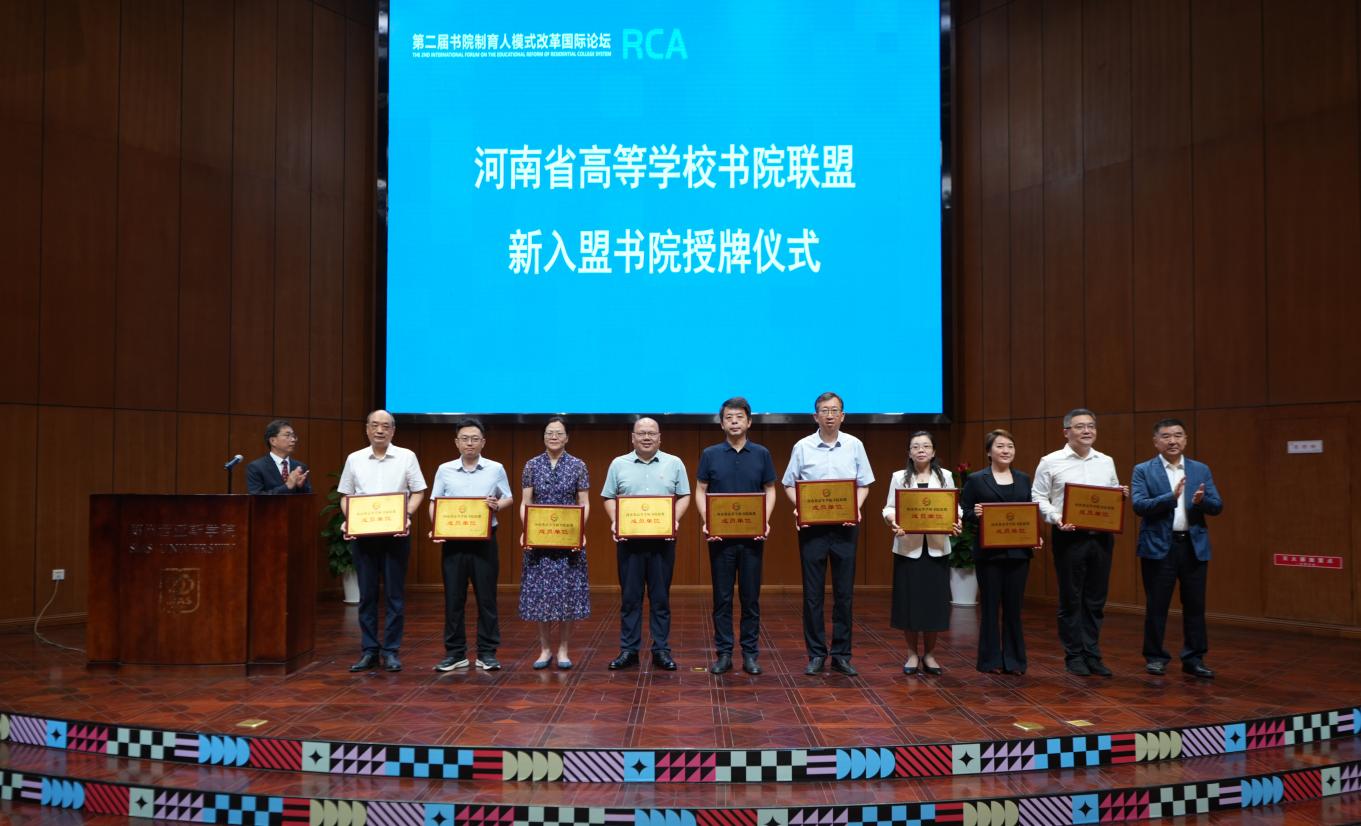
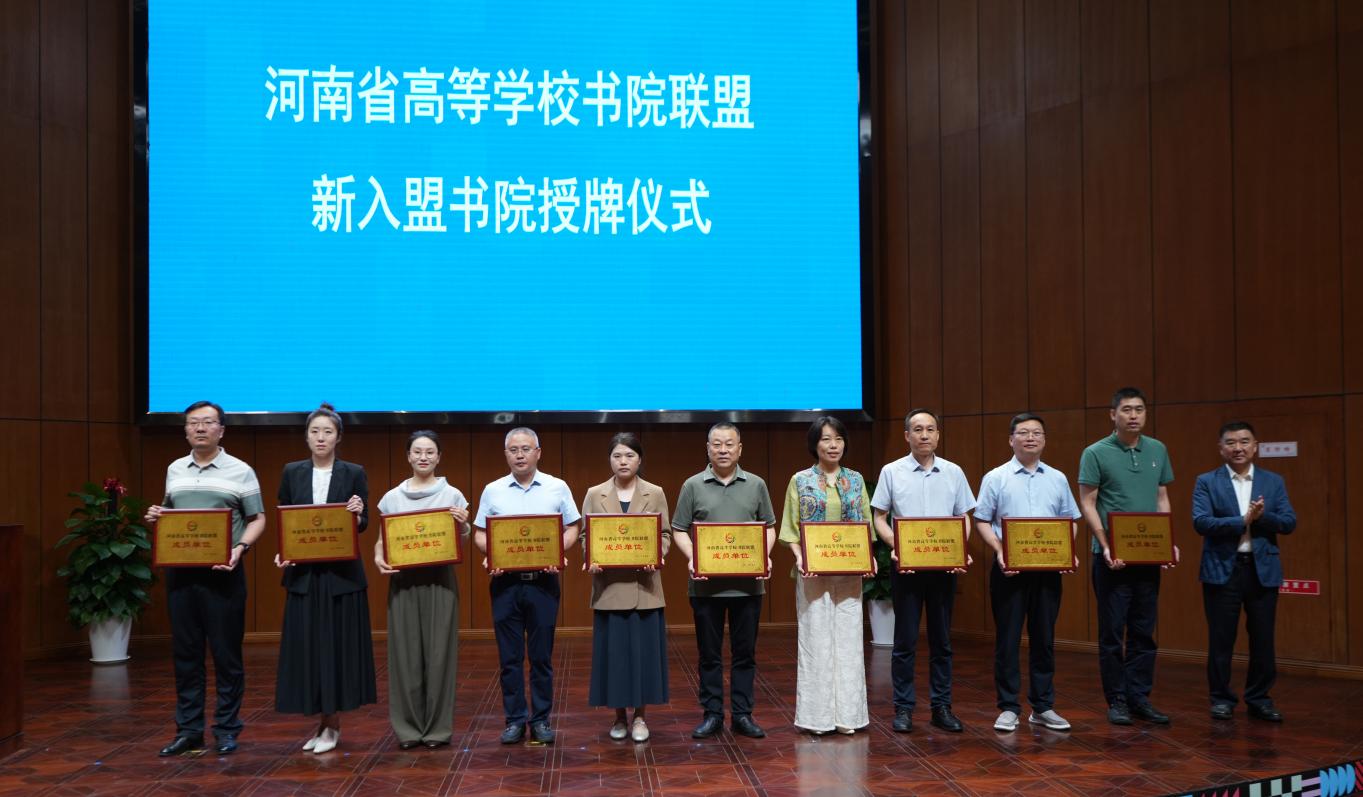
At the opening ceremony, Diao Yuhua, President of the Henan Association of Higher Education, presented plaques to newly admitted member colleges of the alliance.
This accreditation further strengthened the Henan Residential College Alliance, highlighting the vibrant development and broad influence of residential college education reform in Henan Province.
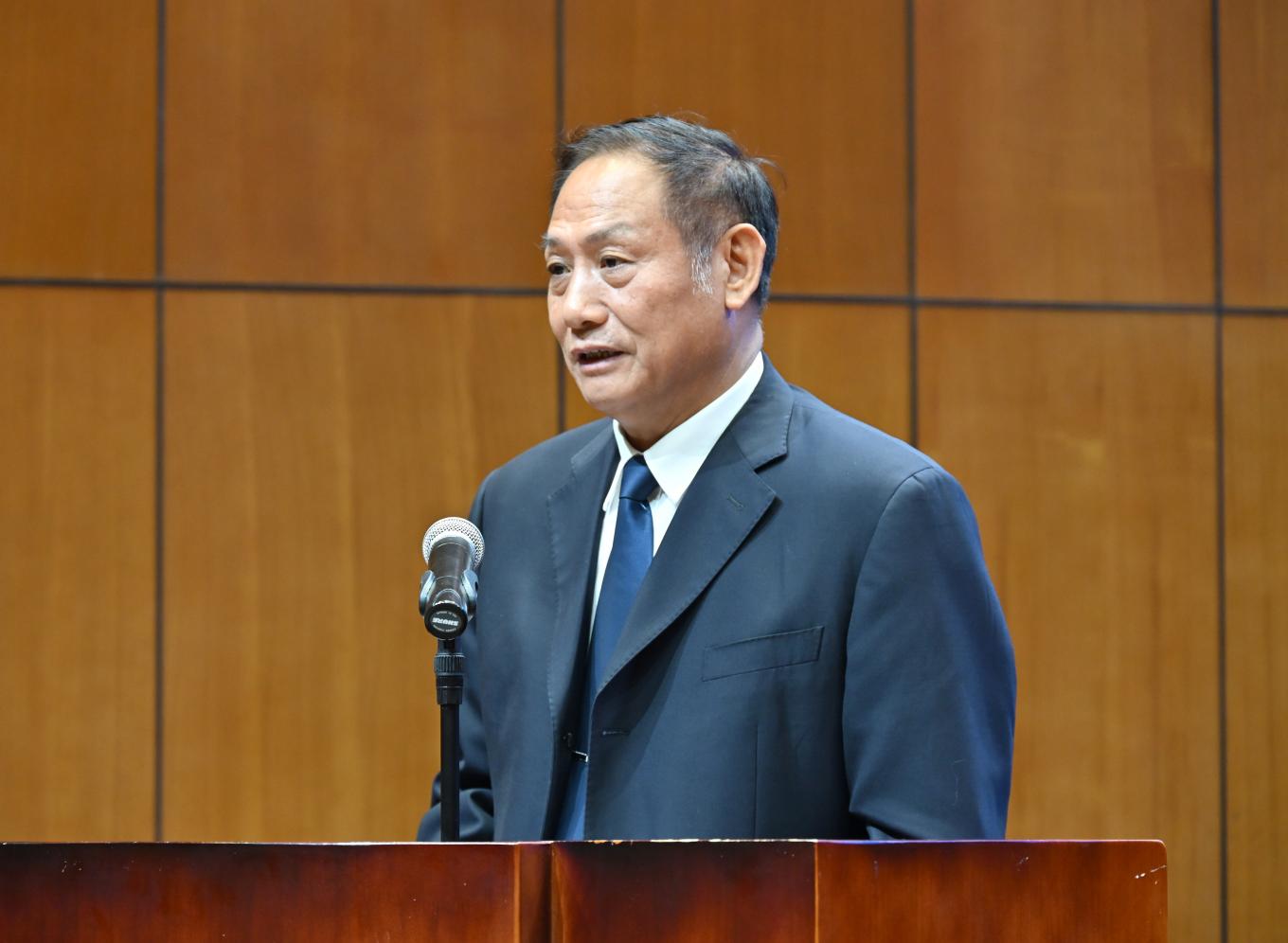
\The forum lasted for two days. On the morning of May 29, the keynote report session was chaired by Vice President Yuan Guanglin. Eight renowned experts and scholars from China and abroad focused on the core theme of “Envisioning a Residential College Education Ecosystem for Human–AI Collaboration.” They conducted comprehensive and in-depth discussions from different dimensions, different regions, and different levels of educational institutions.
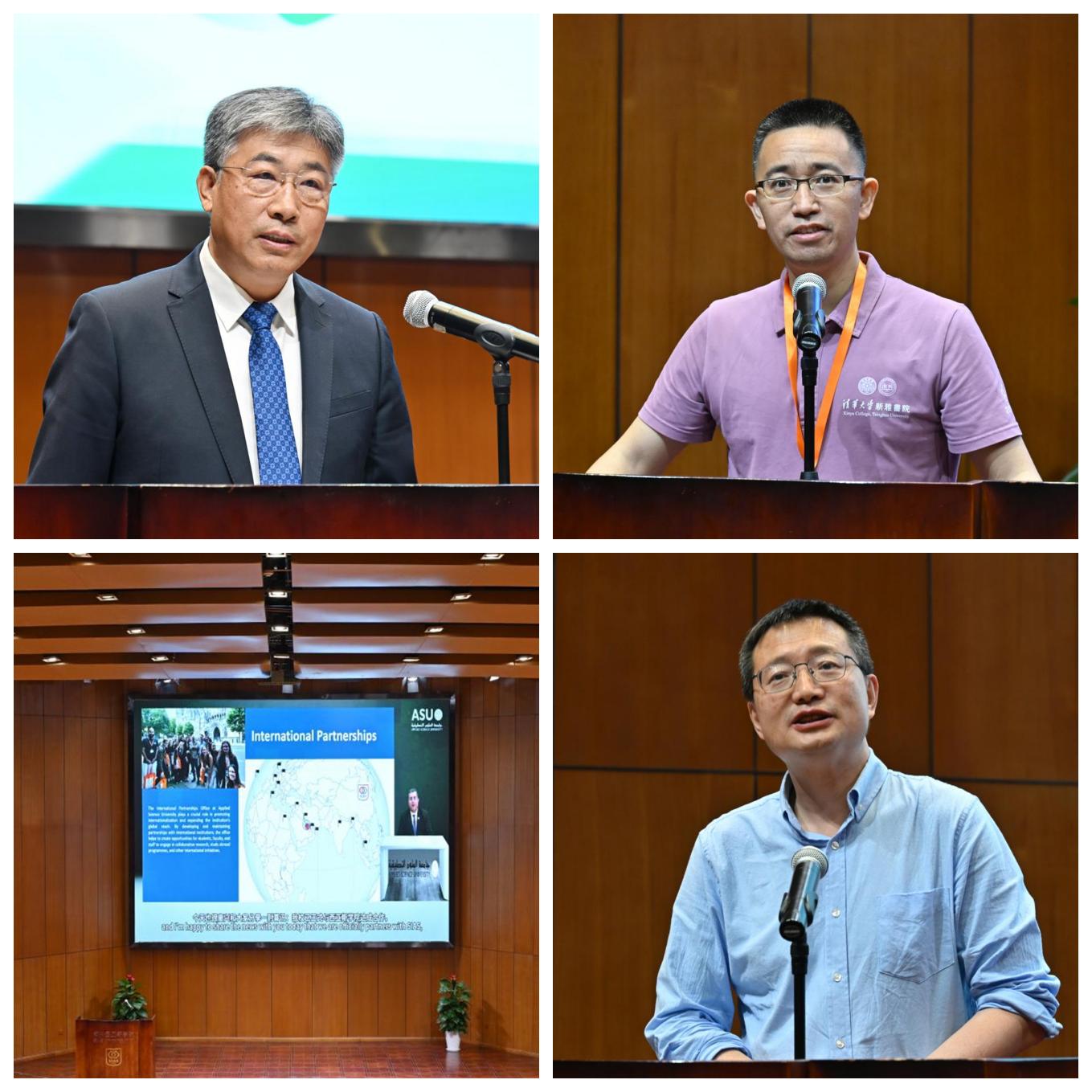
The keynote speakers included leading scholars and university leaders who shared their insights on residential college education reform and higher education development.
Si Linsheng, Party Secretary and President of Henan University of Economics and Law, delivered a report titled “Educational Practice and Exploration of Student Growth and Development Systems under a Community-Based Residential College Model,” sharing the operational framework and reform experience of community-oriented residential colleges.
Dr. Zhang Weite, Party Secretary and Associate Dean of Xinya College at Tsinghua University, presented “The Underlying Logic of General Education, Residential Colleges, and Interdisciplinary Learning,” analyzing the intrinsic relationship among general education, residential college platforms, and interdisciplinary talent cultivation.
Dr. Hatem Masri, President of Applied Science University in Bahrain, delivered a presentation titled “Echoes of an Era in Higher Education: Transformations and Impacts of the Industrial Revolution,” examining the trajectory and future direction of higher education reform from a global perspective.
Professor Lu Xiaodong, former Associate Dean of Yuanpei College at Peking University, delivered a report titled “Essential Elements of the Residential College System in Modern Universities,” distilling the core principles and key foundations of residential college development.
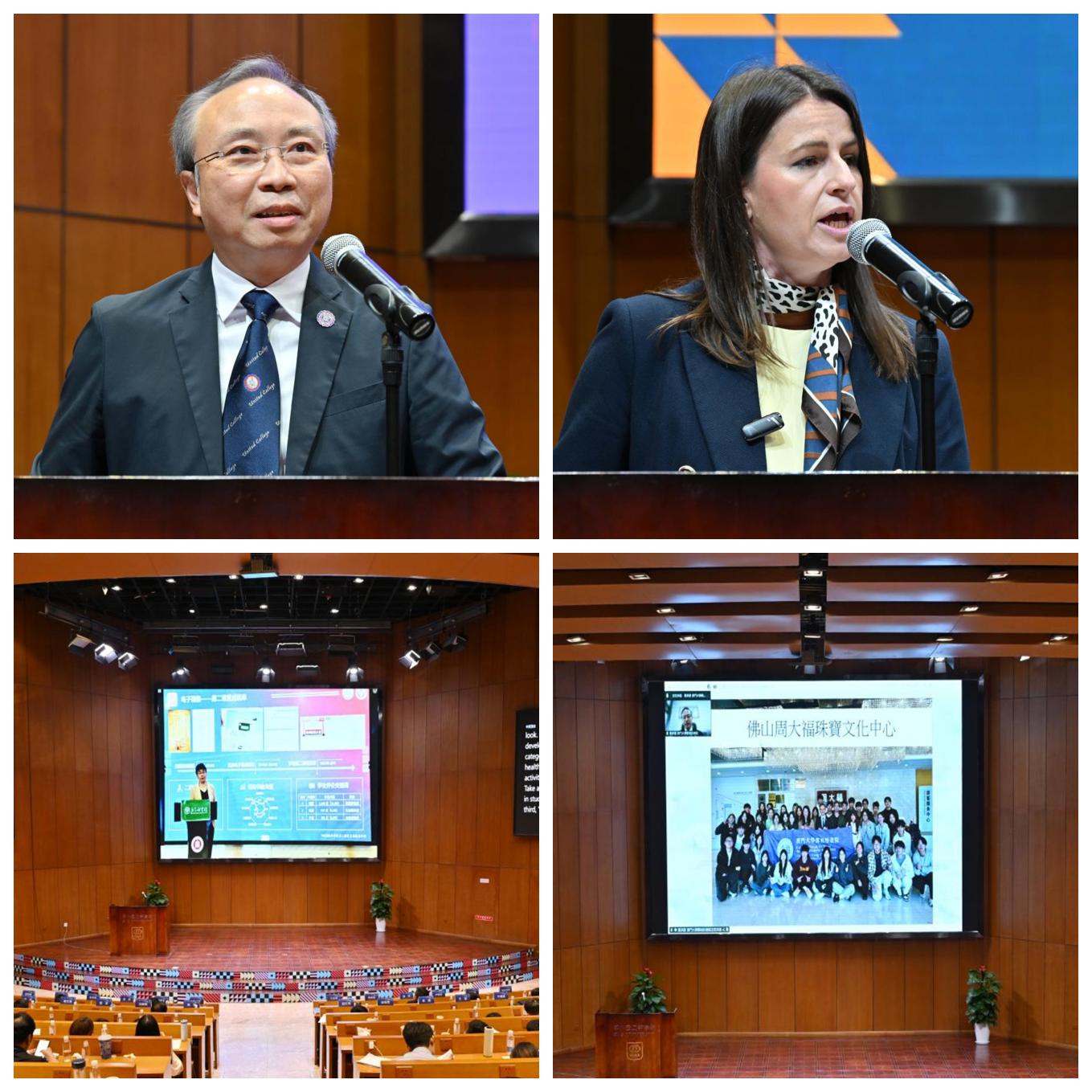
Professor Deng Siyan, Associate Dean of United College, The Chinese University of Hong Kong, delivered a report titled “Teacher–Student–Friend: Pastoral Care in Residential Colleges,” in which he elaborated on a humanistic care-oriented model of residential college education.
Marija Orlandić, Head of Asian Affairs at the University of Donja Gorica (Montenegro), presented “The Professor Equation: The Path Toward the University of the Future,” offering international perspectives and innovative ideas for residential college reform.
Professor Wu Wei, Dean of Meng Xiancheng College at East China Normal University, delivered a report titled “Inheritance, Innovation, and Breakthroughs — Reflections and Practices from China’s First Teacher Education Residential College,” sharing experiences in building a teacher education residential college and exploring transformation pathways in the intelligent era.
Dr. Huang Chengfa, Acting Dean of Choi Kai Yau College at the University of Macau, presented “Promoting Diversified Residential College Development Through Knowledge Integration,” introducing systematic practices in residential college activity design and their educational outcomes.
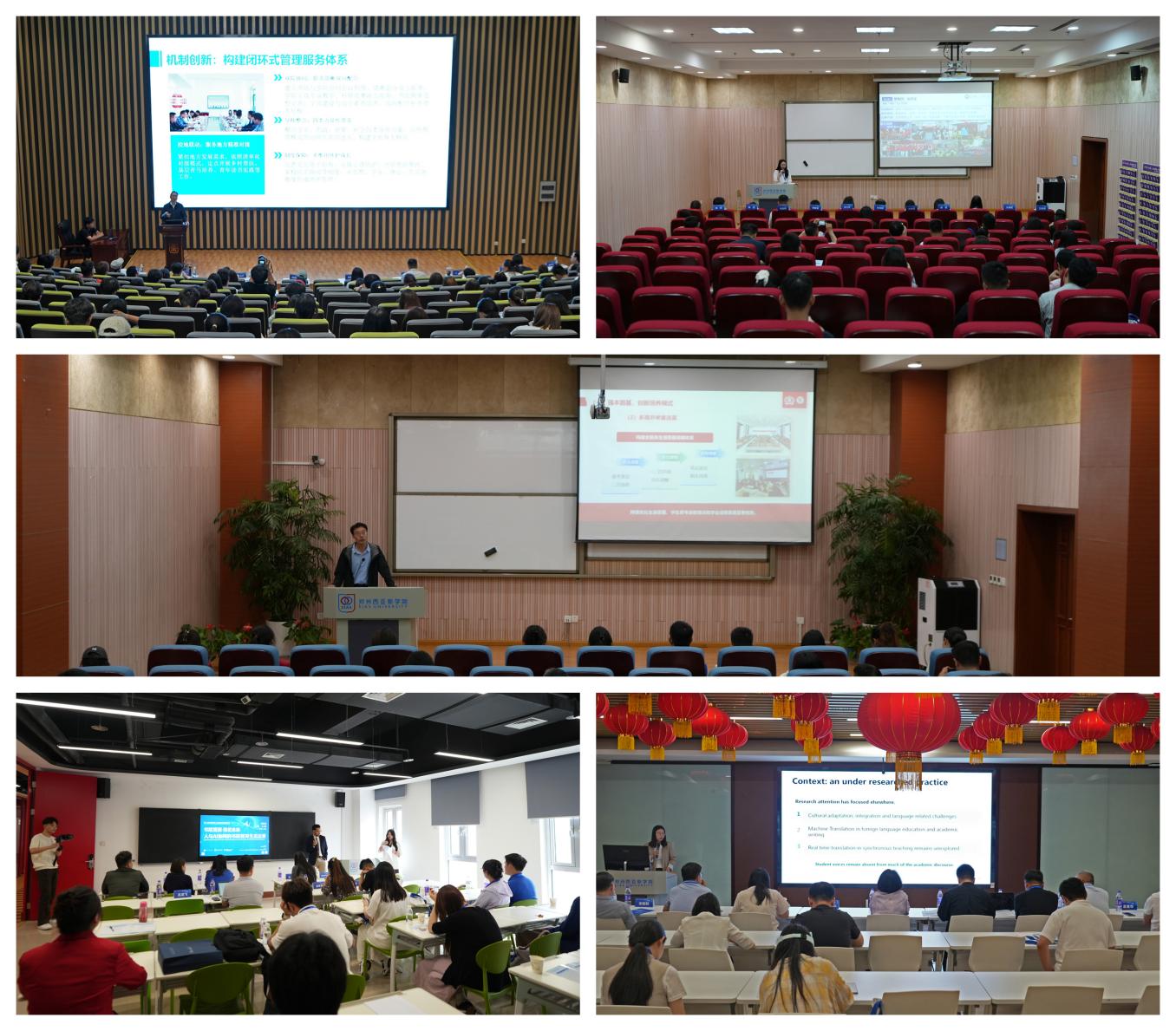
On the afternoon of May 29, five parallel sub-forums were held, bringing together 47 experts and scholars from China and abroad. They conducted in-depth discussions on nine major topics, including the reconstruction of residential college educational philosophies in the AI era, AI-enabled general education curriculum development, the construction of digital and intelligent mentoring systems, smart residential college community operations, big-data-based evaluation of student competencies, and comparative studies of residential college education in China and abroad.
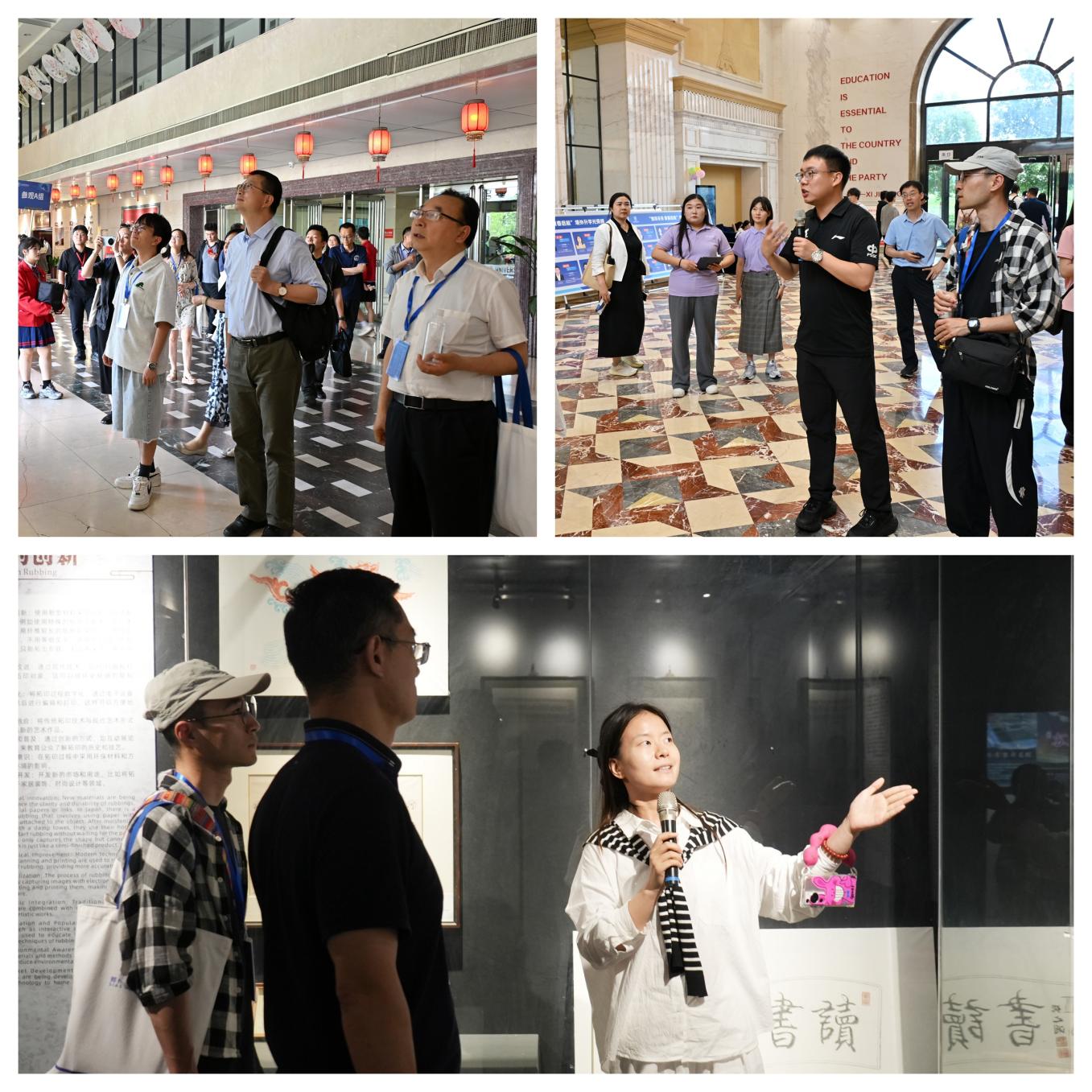
After the sub-forums, the guests visited the Chinese Garden, the French Garden, the School of International Education, the Student Activity Center, Mingli Residential College, Qixian Residential College, Huanyu Residential College, and London Street.
They conducted on-site visits to examine SIAS University’s residential college development, internationalized education practices, and student community management. The guests also experienced the immersive educational environment of the campus and gained a deeper understanding of the university’s innovative achievements in residential college system reform.
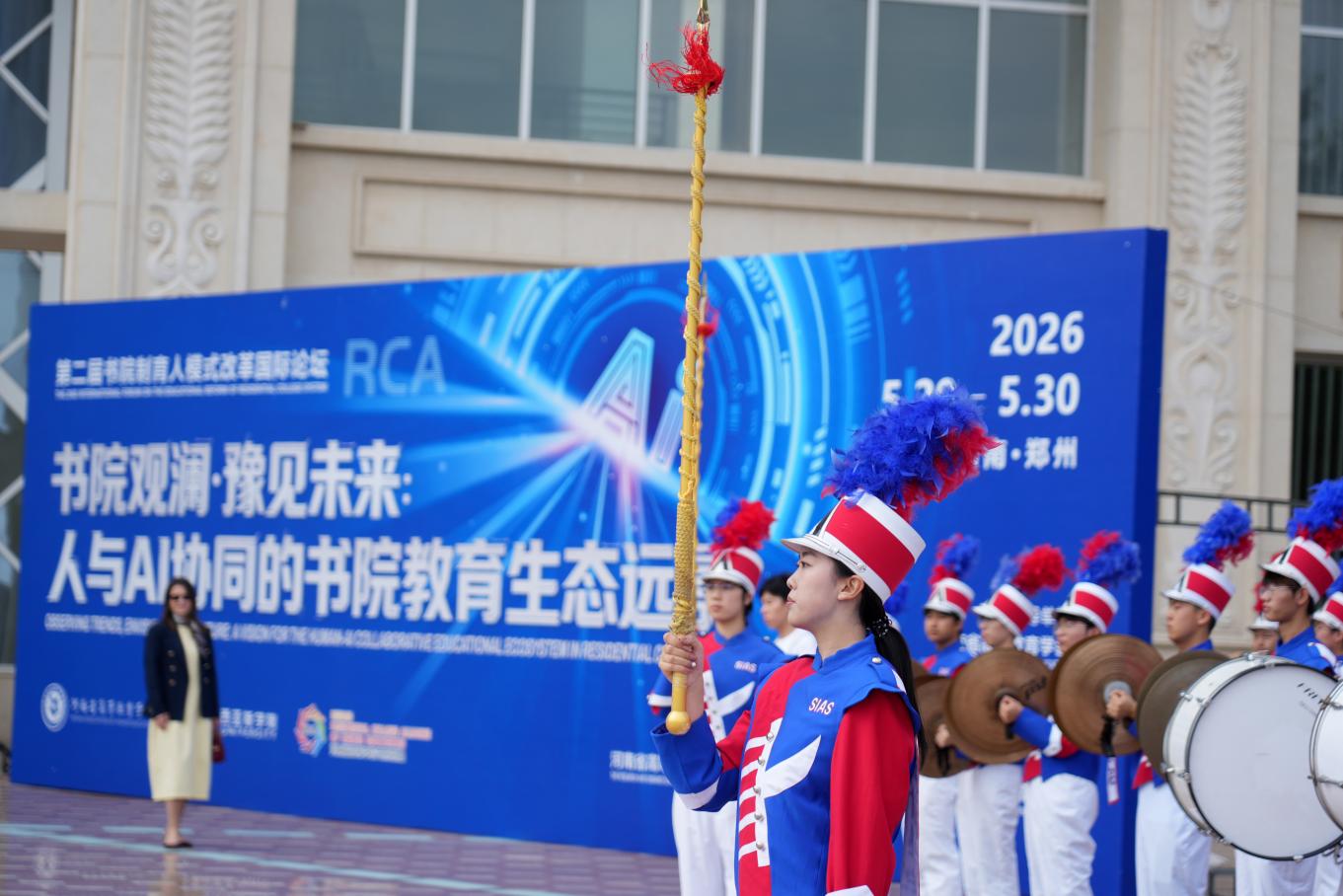

On the morning of May 30, a series of activities were held in succession, including a float parade, the Open Campus Day celebration, and campus cultural performances. These events comprehensively showcased the university’s rich and diverse campus culture as well as the fruitful achievements of its residential college education model.
Guests, faculty, and students together immersed themselves in a cultural feast that integrated intellectual inspiration and talent cultivation, blending Eastern and Western cultural elements in a vibrant and engaging atmosphere.
On the afternoon of May 30, the forum held its keynote report session and closing ceremony.
In her address, Dr. Tisa Mason reviewed the 26-year-long close partnership between the two universities and shared her reflections on “humanistic connection” in education. She noted that in response to educational transformation in the AI era, the university has proactively integrated artificial intelligence literacy into the required curriculum for new students and plans to launch the “AI Tigers” residential learning program.
She emphasized that artificial intelligence cannot replace wisdom, trust, and human care, and that the value of residential education remains irreplaceable. The university is committed to deeply integrating humanistic education with technological innovation, with the goal of cultivating outstanding talents who possess both collaborative abilities and future leadership potential.
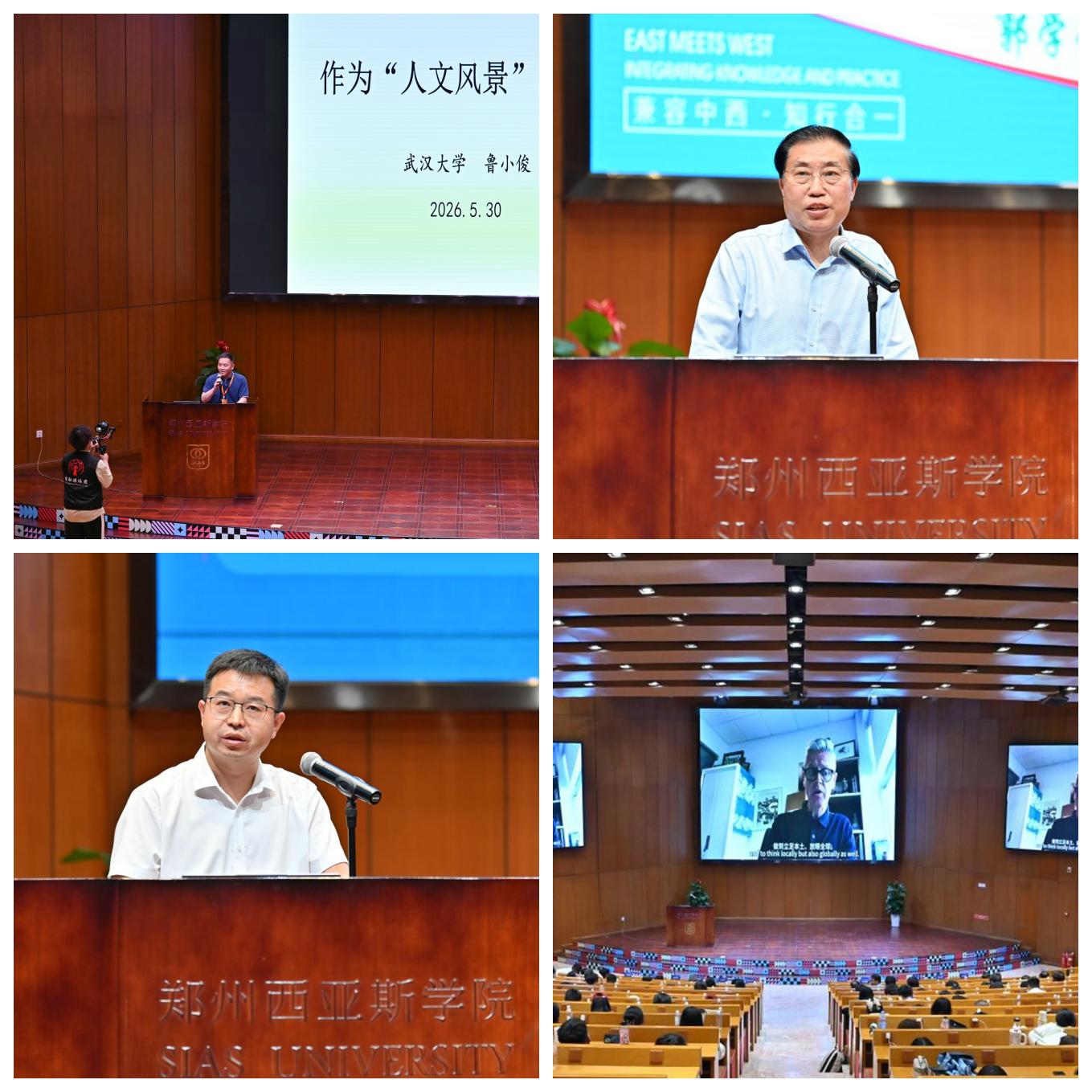
In the keynote session, Professor Lu Xiaojun, Vice Dean of the School of Literature at Wuhan University and a Young Changjiang Scholar of the Ministry of Education, delivered a presentation titled “Residential Colleges as a ‘Humanistic Landscape’,” in which he interpreted the connotation of residential colleges from both spatial and humanistic dimensions and proposed pathways for cultivating cultural identity.
Professor Guo Xuede, Dean of Mingli Residential College at SIAS University, presented “The Residential College Education Model: Achievements, Challenges, and Optimization and Innovation,” in which he summarized educational outcomes, analyzed practical challenges, and proposed strategies for improvement and innovation.
Dr. Cheng Yongqing, Vice President of Xijing University, delivered a talk titled “AI-Enabled Residential College Education in Engineering-Oriented Applied Universities: Practice and Reflections,” sharing practical experiences of integrating artificial intelligence into residential college education.
Professor Neil Lunt, Associate Dean of the School of Business and Society at the University of York and a full professor, delivered a video report titled “The Educational Approach of the University of York,” offering a distinctive European perspective on residential college education.
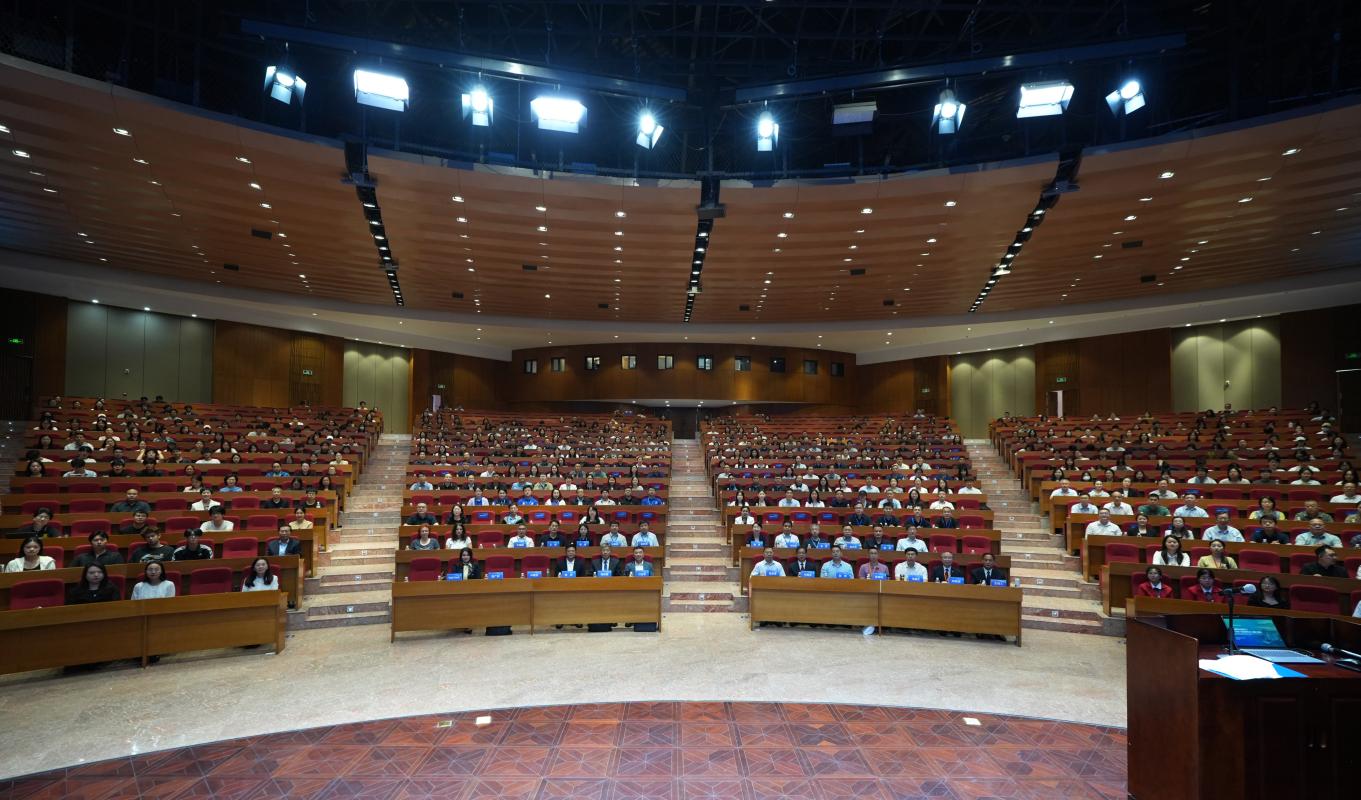
With a legacy spanning millennia, the spirit of the academy continues to thrive, and the mission of education advances without pause in step with the times.
The successful convening of the Second International Forum on Residential College Education Reform has further established a high-level platform for exchange, mutual learning, resource sharing, and collaborative innovation among residential colleges at universities in China and abroad.
The wisdom and consensus generated by the forum have injected strong momentum into theoretical innovation and practical advancement of the residential college system in the context of digital transformation. The forum is expected to strongly promote reform in talent cultivation models in higher education and foster a new landscape for residential college development, guiding modern residential college education with Chinese characteristics toward higher-quality and more distinctive development.