From July 13 to 14, SIAS University held its 2026 Summer Work Conference on the seventh floor of the Student Activity Center. The conference was themed “Efficiency and Pragmatism: Strengthening the Foundation of the 15th Five-Year Plan and Promoting High-Quality University Development.” It aimed to unify understanding, build consensus, clarify development pathways, and strengthen responsibilities.
Dr. Shawn Chen, Founder and Chairman of the Board of Trustees of SIAS University; Niu Xiaoyu, Secretary of the University Party Committee; Zheng Qiang, Chairman and Chief Expert of the Strategic Development Expert Committee and Chief Education Supervisor; Wu Hua, Deputy Secretary of the Party Committee and Executive Vice President; Yuan Guanglin, Vice President; and other university leaders attended the conference. All middle-level administrators and management personnel at the supervisory level and above participated in the meeting.
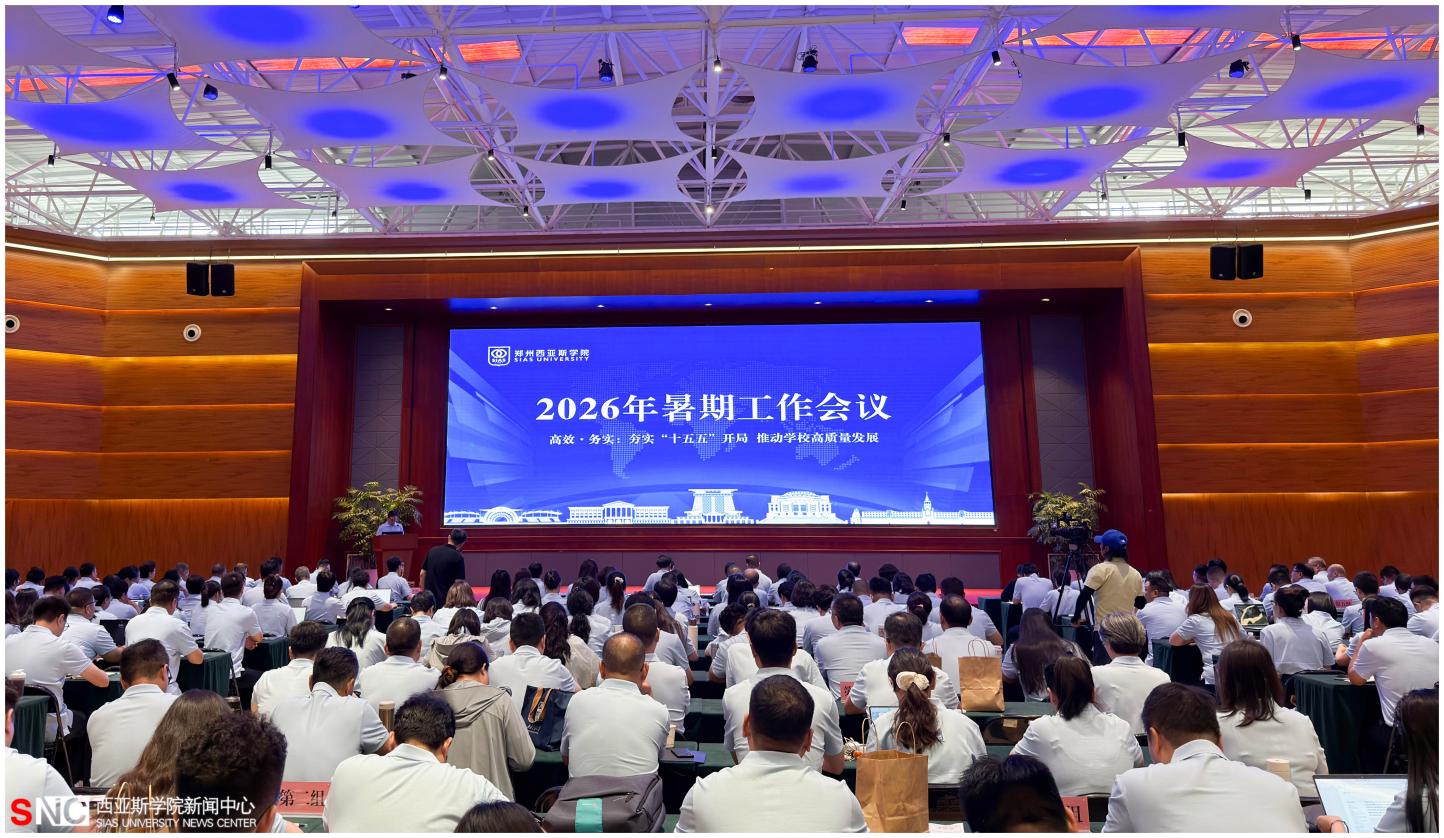
The conference featured a compact agenda, rich content, and a strong focus on practical outcomes. Centered around seven major topics — AI+X education reform, sharing of outstanding proposals, improving quality and efficiency within the university, implementation of the 15th Five-Year Plan, establishment of the committee-based governance system, independent operation reform, and preparations for the university’s 30th anniversary celebration — the conference included a mobilization speech, five special reports, five reform proposals, two quality and efficiency improvement workshops, five thematic discussions, seven themed sharing sessions, and four ceremonies.
Through these activities, the conference established a comprehensive and multi-dimensional platform for brainstorming, collective planning, and collaborative development, providing a clear blueprint for SIAS University’s next stage of transformative growth.
Opening Mobilization: Setting the Direction and Making Systematic Arrangements
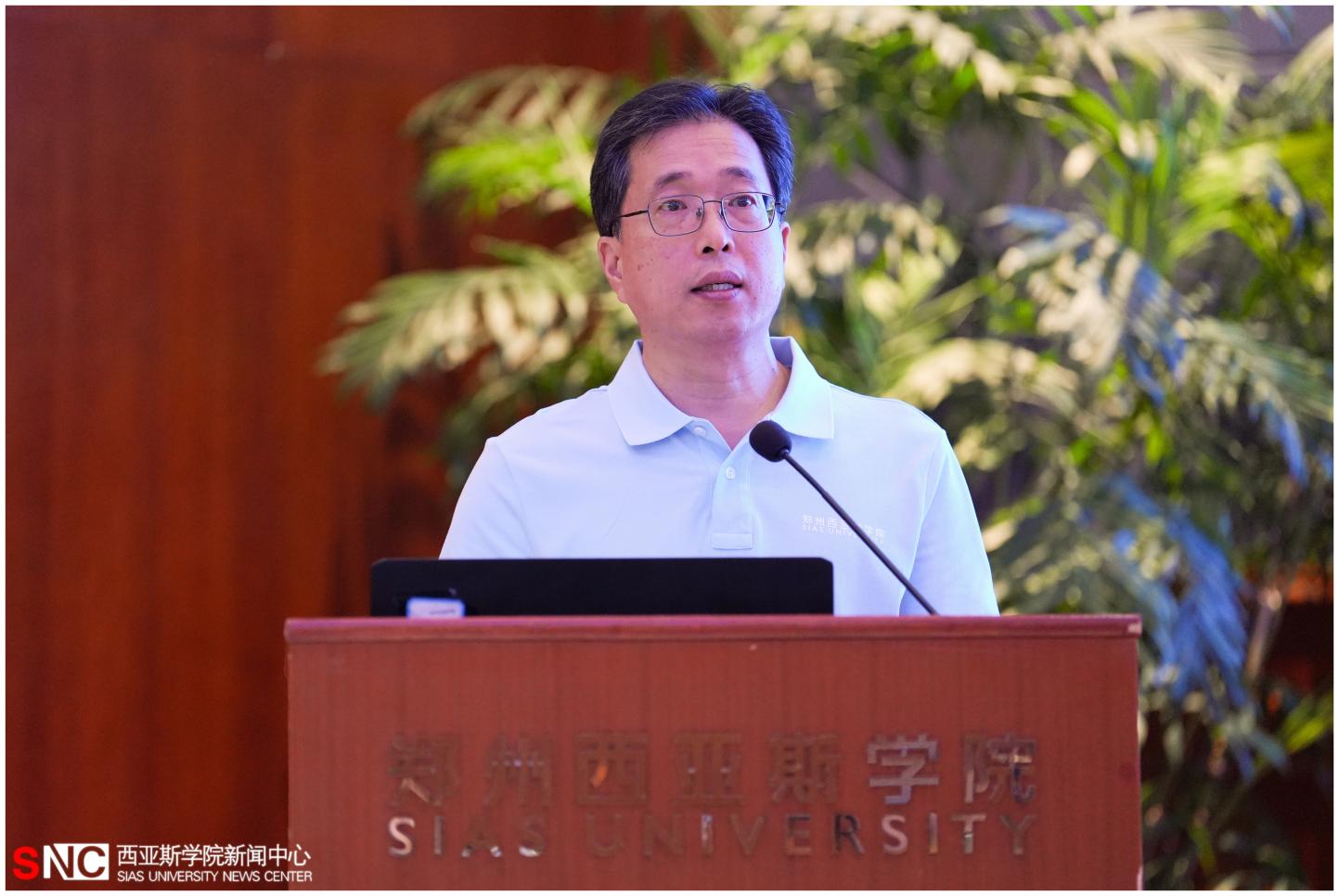
On the morning of July 13, the conference officially opened with the solemn national anthem of the People’s Republic of China. The opening ceremony was presided over by Niu Xiaoyu.
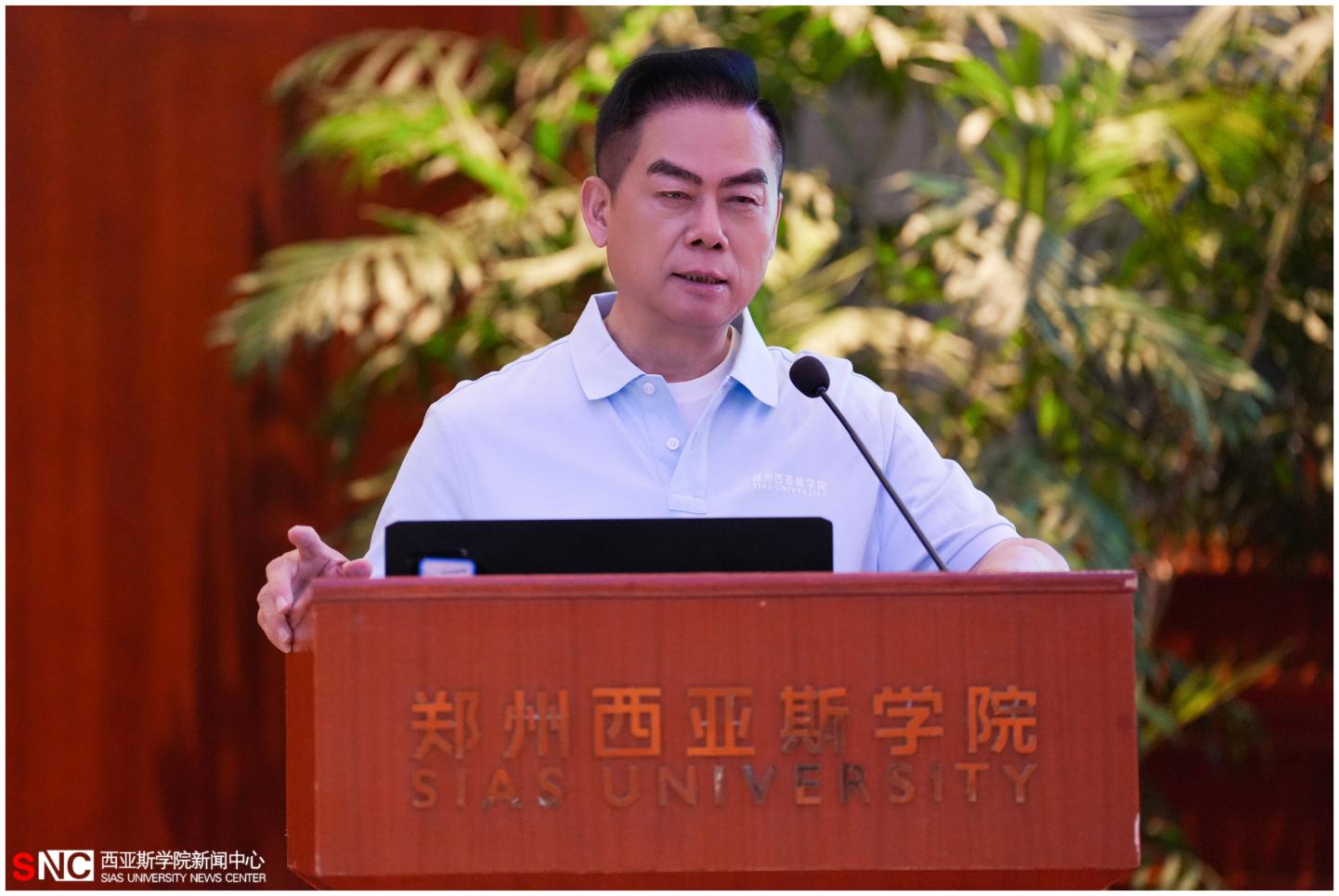
Dr. Shawn Chen delivered the conference mobilization speech. He conducted an in-depth analysis of the opportunities and challenges brought about by global geopolitical changes, the evolving economic landscape, and digital technology transformation. He emphasized the importance of building upon the university’s unique characteristics and implementing top-level strategies with precision.
Regarding AI-enabled education, Dr. Shawn Chen announced the comprehensive implementation of the “AI+X+N” reform initiative. This initiative aims to deeply integrate artificial intelligence with specific industries (where “N” represents industry logic and digital achievements), promote the connection between student projects and real market demands, and establish a complete cycle of “learning–creation–application.”
At the same time, he outlined four key areas of focus:
First, advancing the reform of the operational mechanism of “enterprise-oriented administration and market-oriented colleges.” The university will establish a flatter management structure, grant greater autonomy, and stimulate internal driving forces.
Second, expanding cooperation with overseas universities, including credit recognition programs and other forms of collaboration, to broaden access to high-quality international learning opportunities for students.
Third, concentrating resources on advancing the undergraduate teaching evaluation process and the application for authorization to confer master’s degrees.
Fourth, coordinating campus hardware upgrades and the reconstruction of the campus cultural system, while steadily launching preparations for the university’s 30th anniversary celebration.

The opening ceremony featured the “Founder’s Special Award” presentation ceremony, recognizing individuals who have made outstanding contributions in the frontline areas of teaching, scientific research, and university management. The awards aimed to promote a strong culture of valuing practical work, dedication, and excellence.
Former Vice President Zhao Yuxin, Consultant of the School of Physical Education He Zuxin, Dean of the School of Art and Design Guo Xinsheng, Deputy Dean of the School of Music and Drama Ma Bin, Director of the Office of Scientific Research Gao Sheng, and Li Hui, a 2022 undergraduate student from the School of Medicine and Mingli Residential College, came forward one after another to receive the awards.
Expert Guidance: Focusing on Talent Development and Inspiring the Future
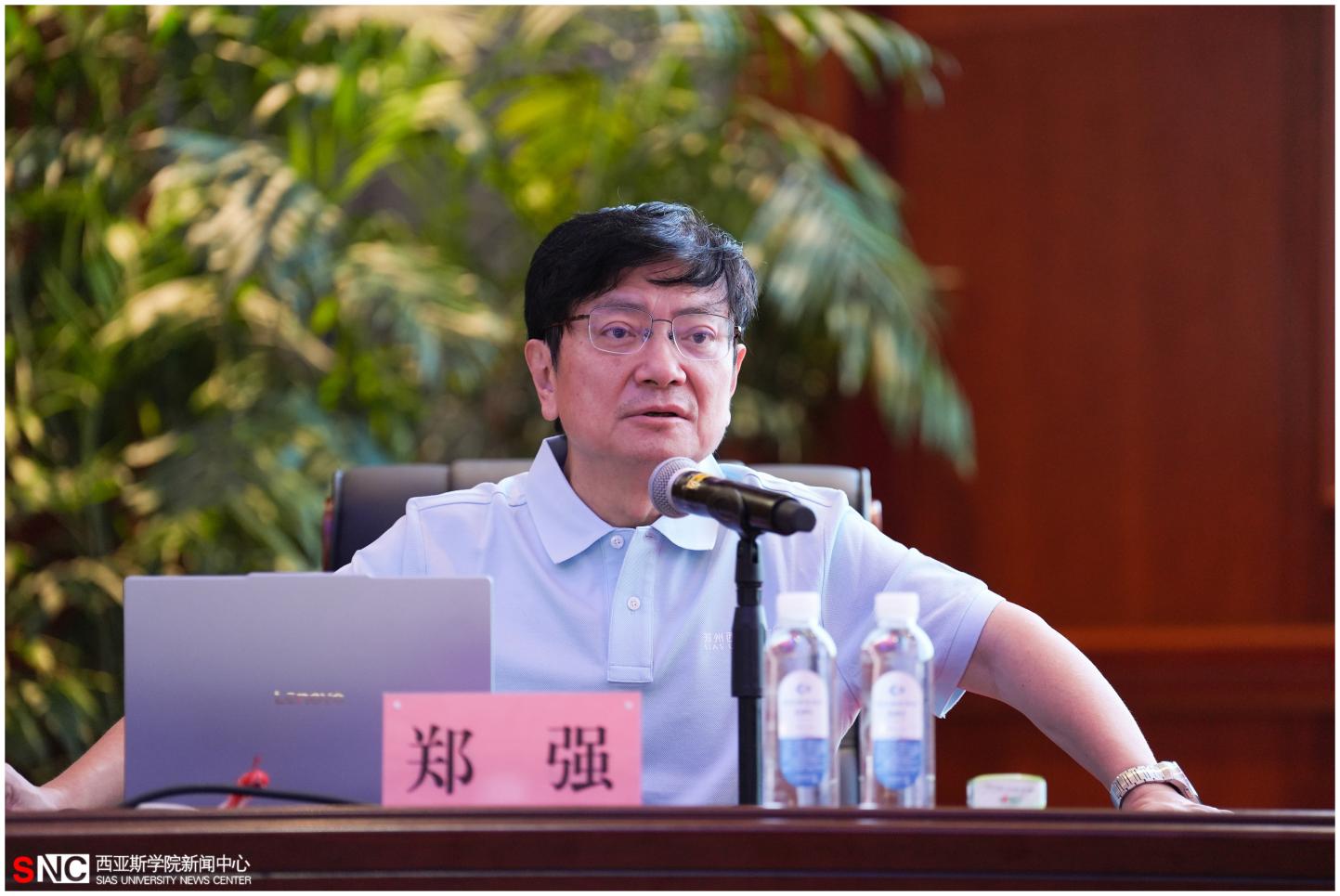
Zheng Qiang delivered a keynote report titled “Reflections on Chinese Education and SIAS University”. He emphasized that universities must always adhere to the Party’s educational principles, fulfill the fundamental mission of fostering virtue through education, and cultivate builders and successors of socialism with all-around development in morality, intelligence, physical ability, aesthetics, and labor skills.
He pointed out that the core mission of education is to cultivate young people with independent personalities and the ability to think independently and critically. He stated that SIAS University’s open and inclusive campus environment provides a unique advantage in nurturing students’ independent thinking abilities.
Regarding AI-enabled education, Zheng Qiang emphasized that AI can only serve as a “high-magnification aiming lens” for education and teaching, and a “high-power booster” for university operations. It should be used to clarify and refine educational goals rather than replace the thinking processes of teachers and students.
He advocated the promotion of “simulation-based strategic learning” approaches, using scenario-based human-machine competition and repeated trial-and-error iterations as learning methods. This approach encourages students to explore the process of “understanding not only what it is, but also why it is,” while developing their ability to handle complex problems through human-machine collaboration.
He suggested that the university should make full use of policy support and its existing development achievements to establish dedicated working teams, advance the intelligent integration of disciplines through one-on-one support, and build the “SIAS Solution” for AI education among private universities nationwide.
Breaking Through Reform: Empowered by Digital Intelligence, Improving Quality and Efficiency
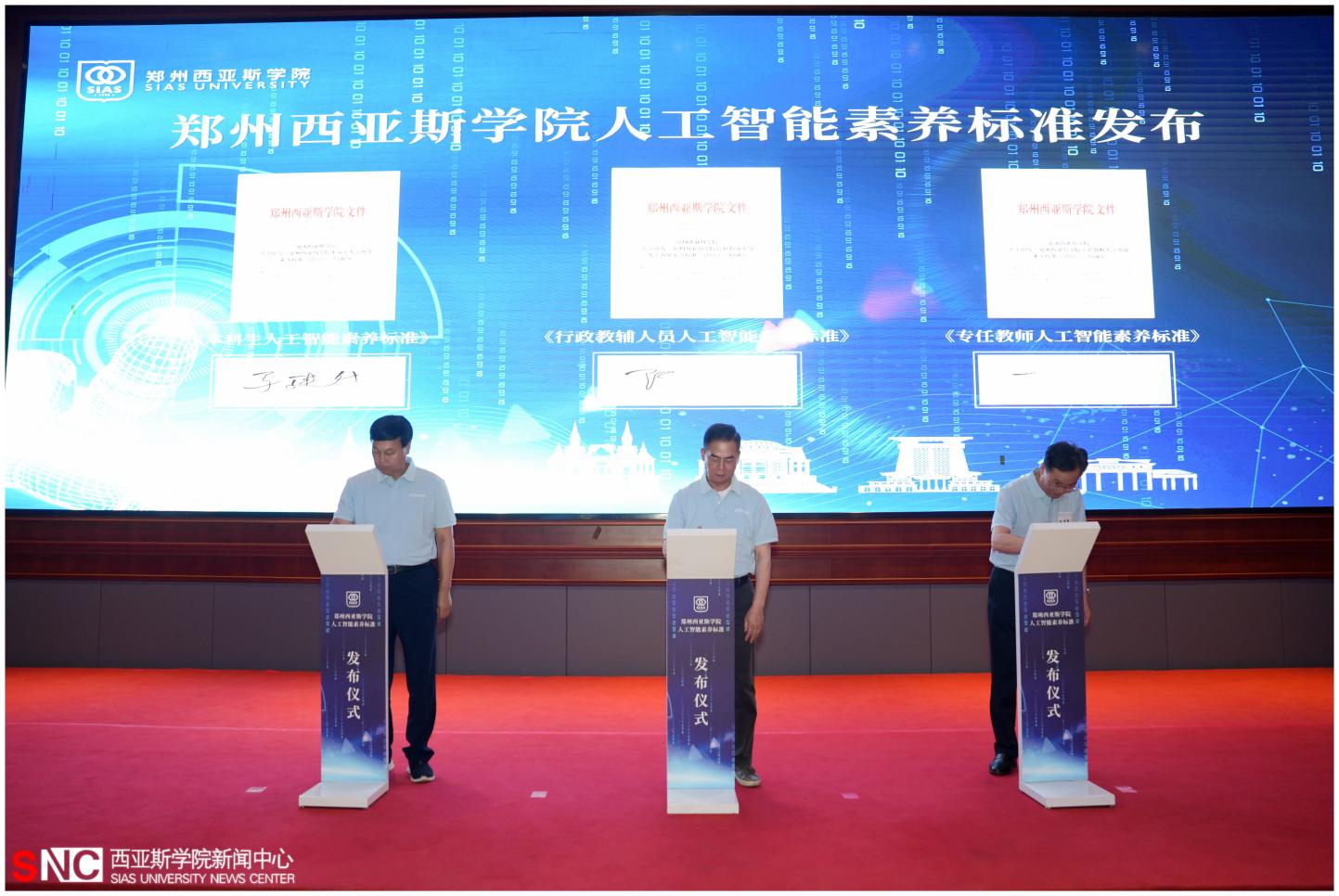
On the afternoon of July 13, the conference focused on practical implementation. During the meeting, the university officially released the “Artificial Intelligence Literacy Standards” and its supporting tiered training system, covering three groups: undergraduate students, full-time faculty members, and administrative and academic support staff. This marked the beginning of a new stage of standardized and systematic AI education development at SIAS University.
In the special report on AI+X Education Reform, university leaders analyzed the systemic challenges that artificial intelligence brings to higher education. They emphasized the need to follow the principle of “establishing before breaking, and maintaining integrity while innovating.” The university will return to the fundamental educational mission of “everything for students” and, with artificial intelligence as the core connection, build an integrated new curriculum ecosystem featuring “general education foundation, professional empowerment, and interdisciplinary integration.”
The reform aims to cultivate students’ critical thinking, empathy, and comprehensive problem-solving abilities, while creating a new ecosystem of higher education based on human–AI collaboration.
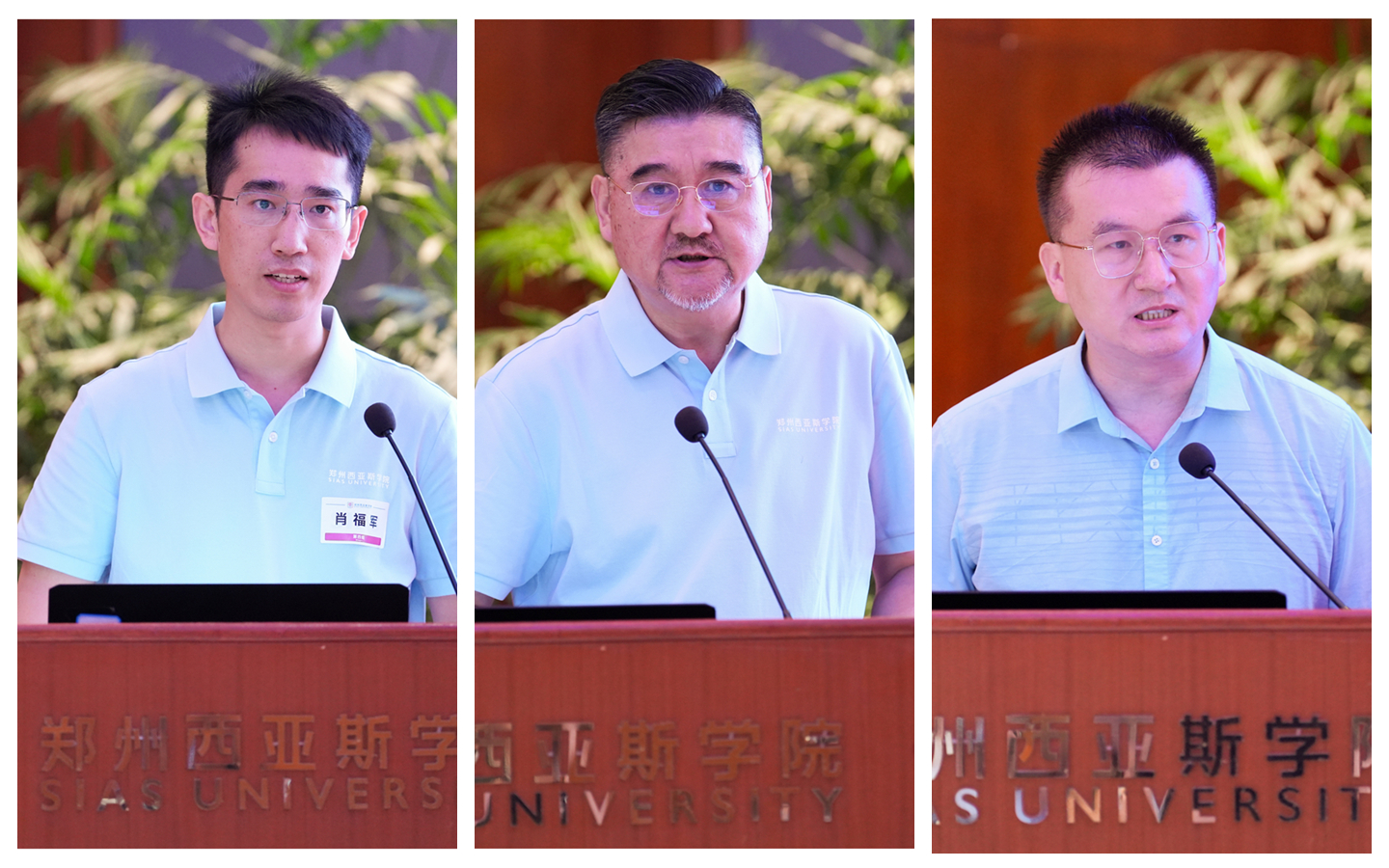
The Director of the AI+X Education Reform Research Center, Xiao Fujun; Dean of the School of Art and Design, Guo Xinsheng; and Research and Development Director of Lingzhidu Technology, Hou Xiaopeng, respectively shared their innovative achievements in the development of AI experimental classes, AI-integrated teaching across academic schools and departments, and digital employee-enabled collaborative office operations.
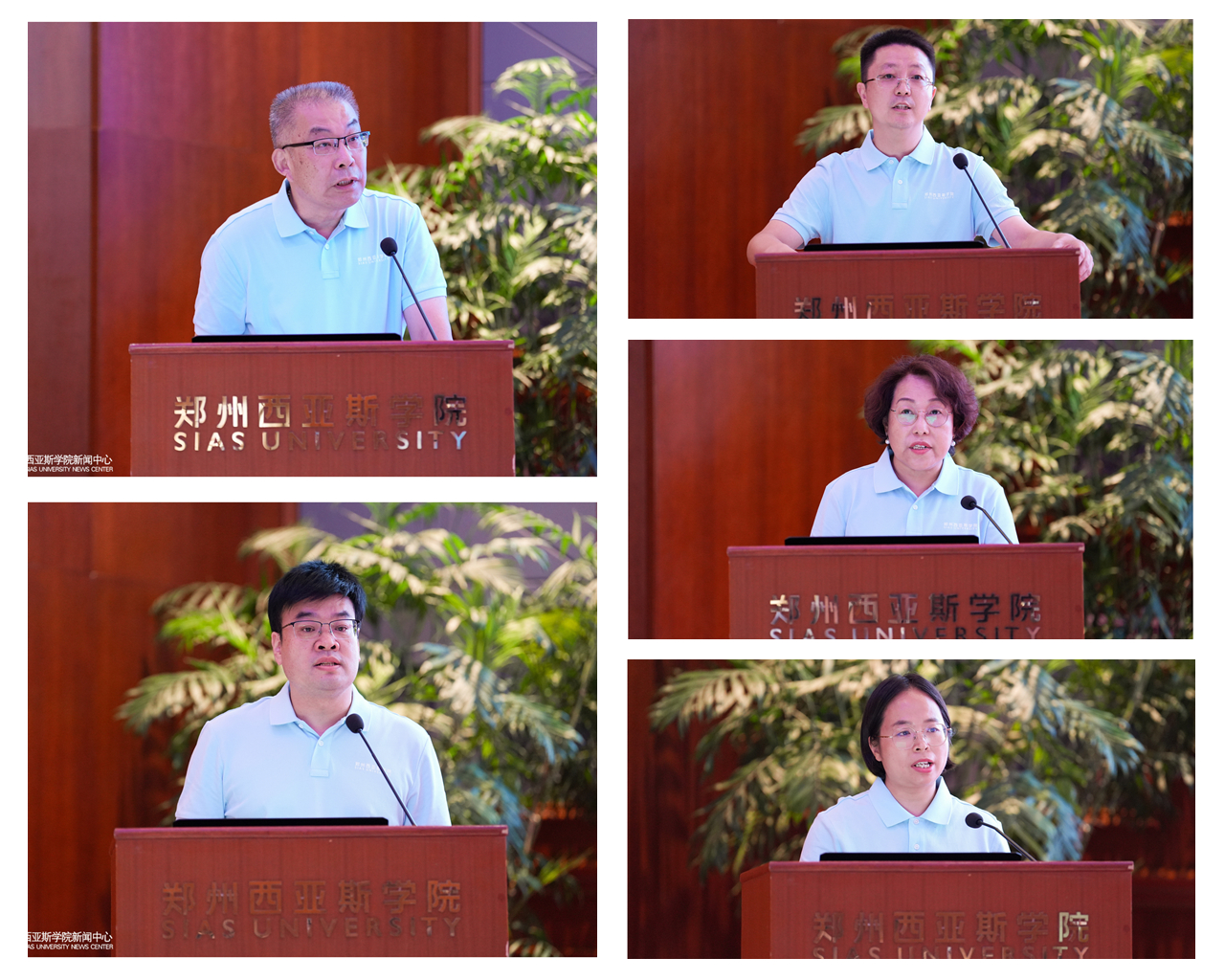
Subsequently, representatives from the School of Engineering, Party and Administrative Office, Academic Affairs Office, Office of Information Technology Construction and Management, and Finance and Assets Office presented reform proposals focusing on five key areas: AI-powered classroom transformation, optimization of conference and administrative services, advancement of industry-oriented colleges, intelligent teaching evaluation, and the operational reform of “enterprise-oriented administration and market-oriented colleges.”
University leaders provided on-site feedback and evaluations on the proposals. During the first Quality and Efficiency Improvement Workshop, six groups focused on the implementation of AI reform initiatives and the cultivation of national-level teaching and research achievements, resulting in the development of two specialized recommendation lists.
Strengthening the Foundation: Planning-Led Development and Governance Innovation
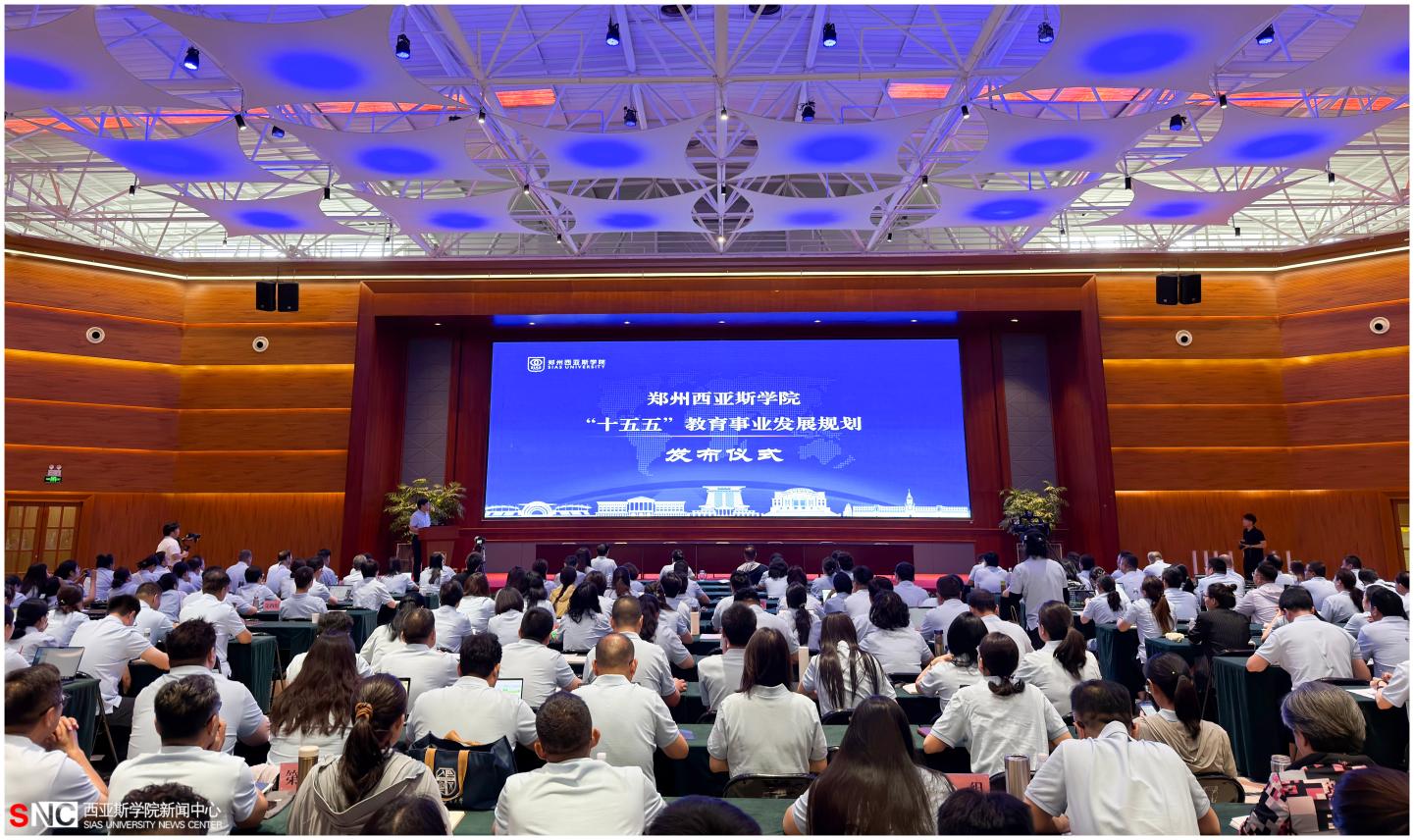
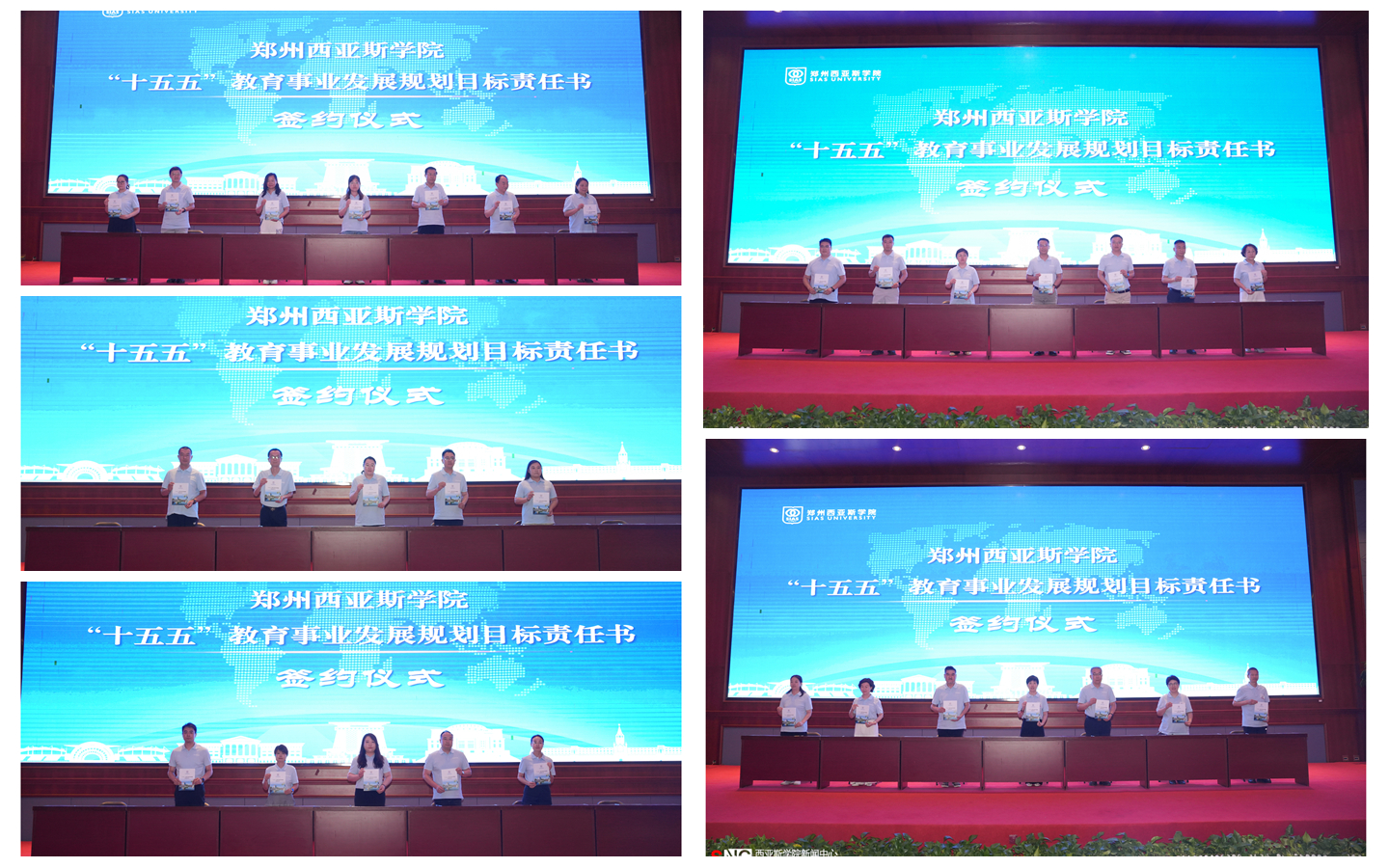
On the morning of July 14, the conference held the launch ceremony for the “15th Five-Year Plan for Educational Development” and the signing ceremony for the target responsibility agreements.
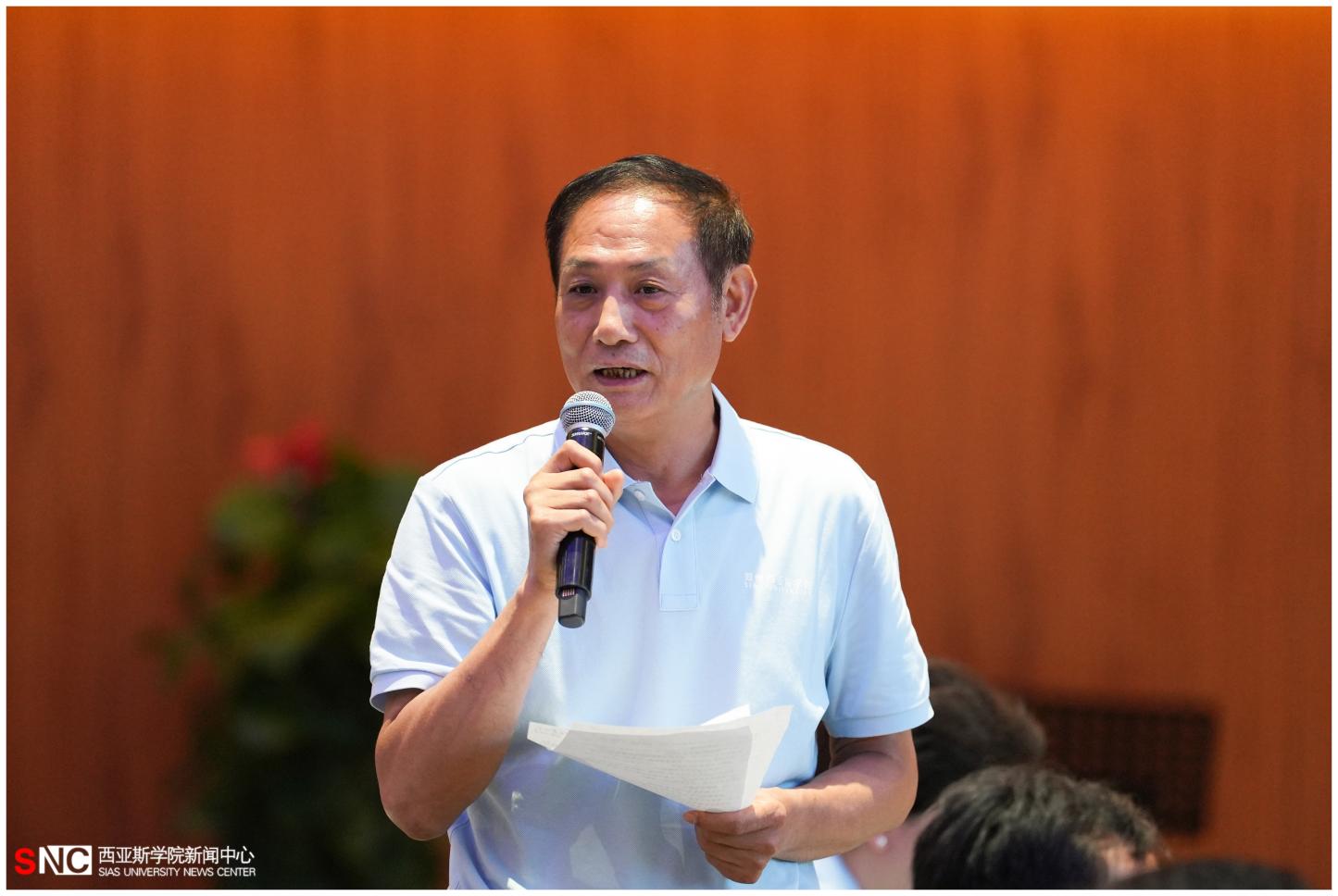
Yuan Guanglin provided an in-depth interpretation of the plan, explaining that it aims to align with national strategies, serve regional economic development, overcome development bottlenecks, and build core competitiveness.
The plan identifies seven major tasks: strengthening Party leadership, integrating the five dimensions of education for holistic talent development, advancing efforts toward obtaining authorization to confer master’s degrees, promoting scientific research innovation, developing and attracting high-level faculty, expanding open education, and building a beautiful campus.
It is supported by 10 first-level indicators and 80 second-level indicators, along with five implementation mechanisms covering communication and promotion, task decomposition, supervision, evaluation, and support. By deeply linking the implementation of the plan with performance assessments, the university aims to prevent the plan from becoming merely a formality without effective execution.
Yuan Guanglin called on the entire university to embrace an attitude of “accelerating from the very beginning”, focusing on key tasks such as obtaining master’s degree authorization, completing educational evaluation and accreditation, and advancing the development of high-quality programs. He emphasized strengthening SIAS University’s characteristics as an international and application-oriented institution, striving for a significant improvement in the university’s educational level, and contributing high-quality educational achievements to the development of a strong education system at both national and provincial levels, while presenting an outstanding achievement report for the university’s 30th anniversary celebration.
Dr. Shawn Chen delivered a special report on the committee-based governance system in higher education, explaining its significance from three perspectives: the origins of its development, the necessity of implementation, and practical pathways for its realization.
He pointed out that the committee system represents a systematic reform of the university’s governance structure. It will establish a think tank and decision-making buffer layer between Party leadership and administrative execution.
He emphasized that the university should rely on five specialized committees — the Teaching Guidance Committee for Schools and Departments, the Academic and Discipline Development Committee, the Industry-Education Integration and University-Enterprise Cooperation Committee, the Collaborative Education and Student Development Committee, and the Faculty Development and Quality Evaluation Committee — to reshape the allocation of responsibilities and authority, optimize decision-making processes, deepen the development of a modern university governance system, create a “Committee Matrix” with SIAS characteristics, and build a “shared governance” model suited to the future educational ecosystem.
The School of International Education and the School of Journalism and Communication respectively shared their achievements and practical experiences in implementing the committee-based governance system.
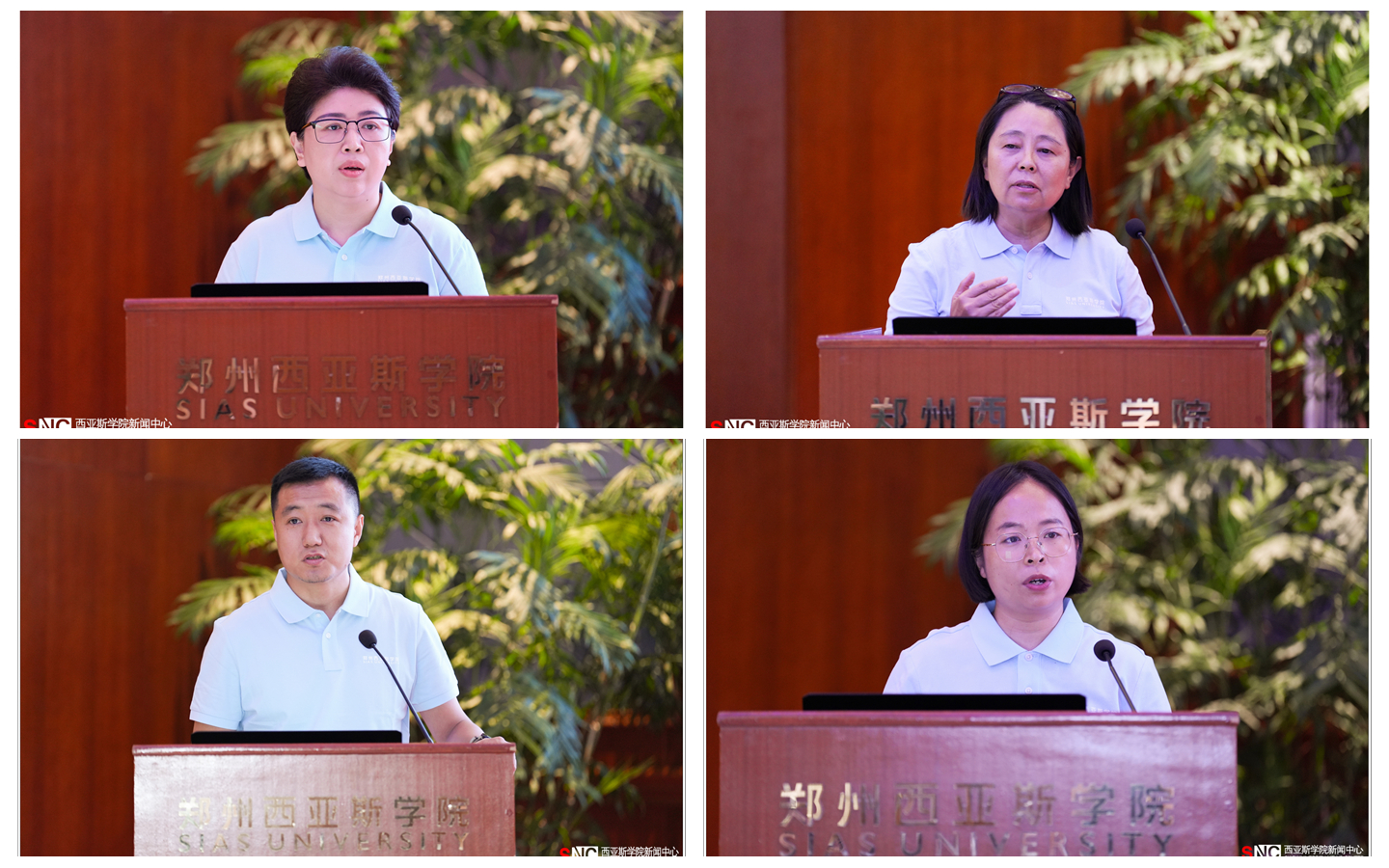
During the session on independent operation reform, Dr. Shawn Chen explained the two core reform concepts of “enterprise-oriented administration and market-oriented colleges.” He proposed establishing a “large-scale academic structure with a small administrative system” through flatter management, delegating comprehensive authority over personnel, finance, and operations, and building a closed-loop development model linking “teaching quality — employment outcomes — market competitiveness.”
He emphasized that SIAS University has possessed a reform-oriented educational philosophy and institutional foundation since its establishment. Each school and college should develop a market-oriented mindset, proactively expand innovative industry projects, and explore new opportunities for development.
Meanwhile, administrative departments should establish a customer-oriented service mindset by identifying and utilizing internal university service resources while also developing market-oriented consulting services externally, thereby fully releasing the university’s internal driving force for development.
The Student Affairs Office and the Finance and Assets Office respectively shared their supporting reform implementation plans, exploring new models for the market-oriented and corporate-style operation of administrative and academic units.
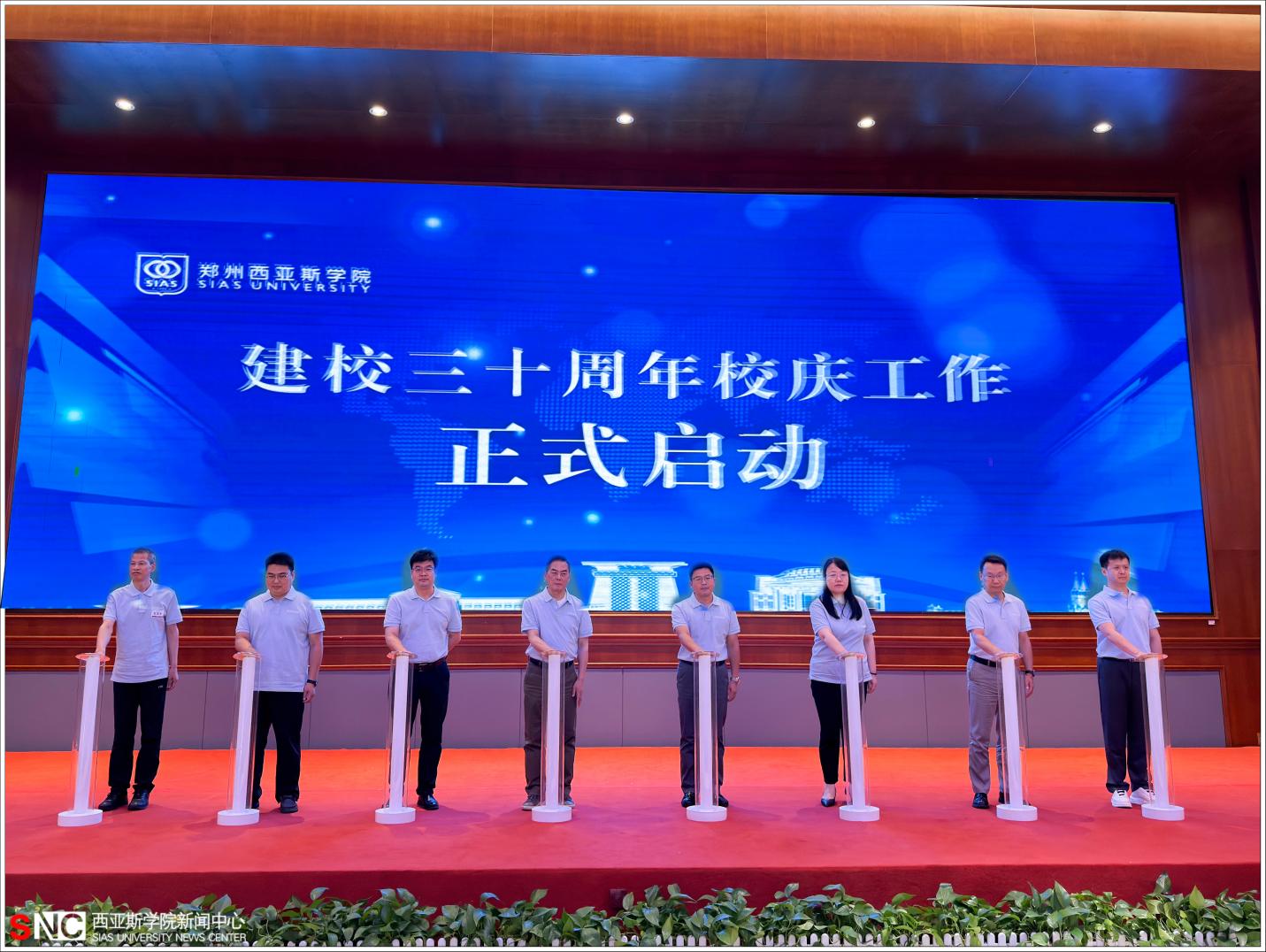
The conference also held the launch ceremony for the preparation of SIAS University’s 30th anniversary celebration, officially marking the beginning of the anniversary planning process.
Building Consensus and Taking Solid Action: Strengthening Unity and Advancing Through Practical Efforts
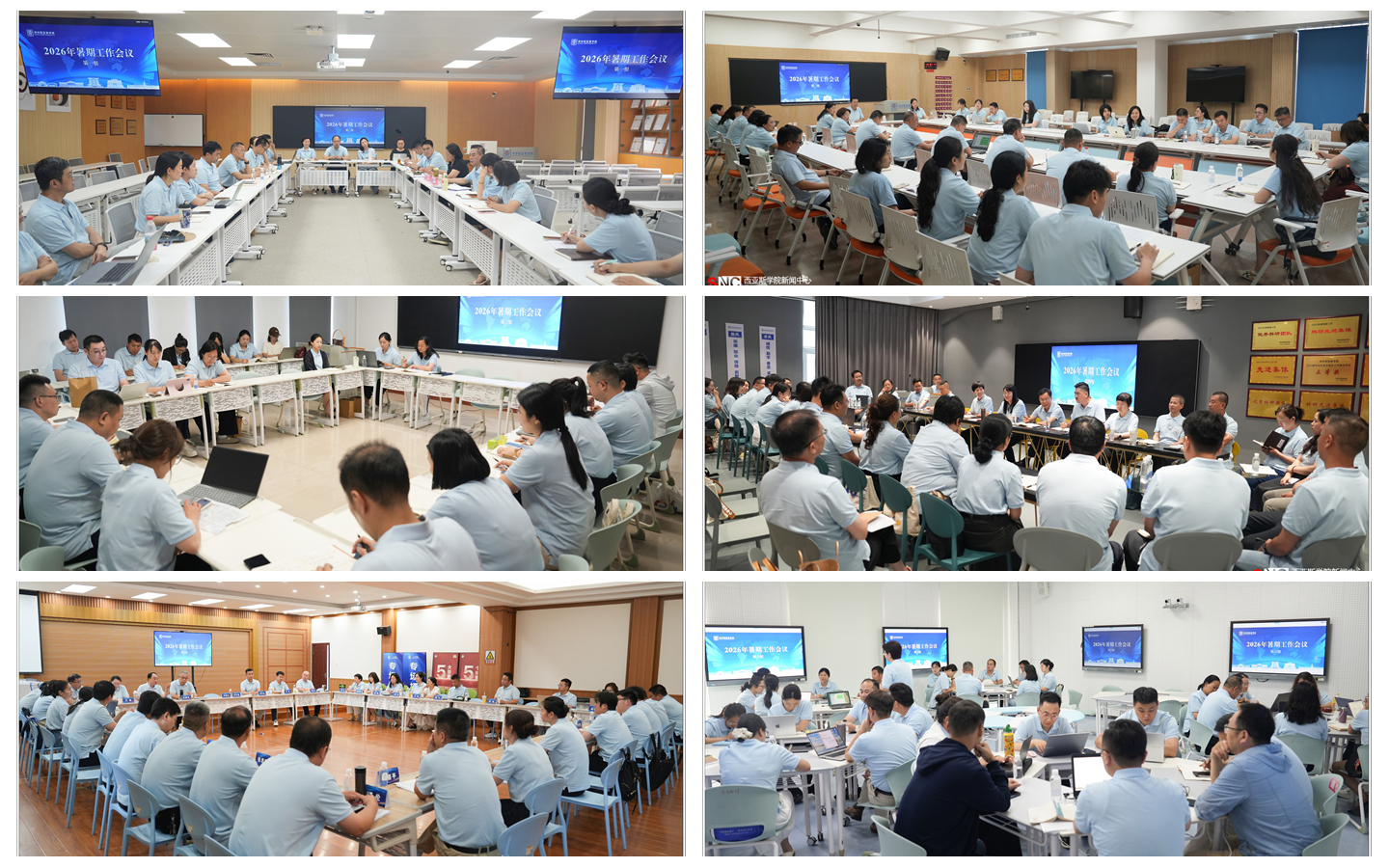
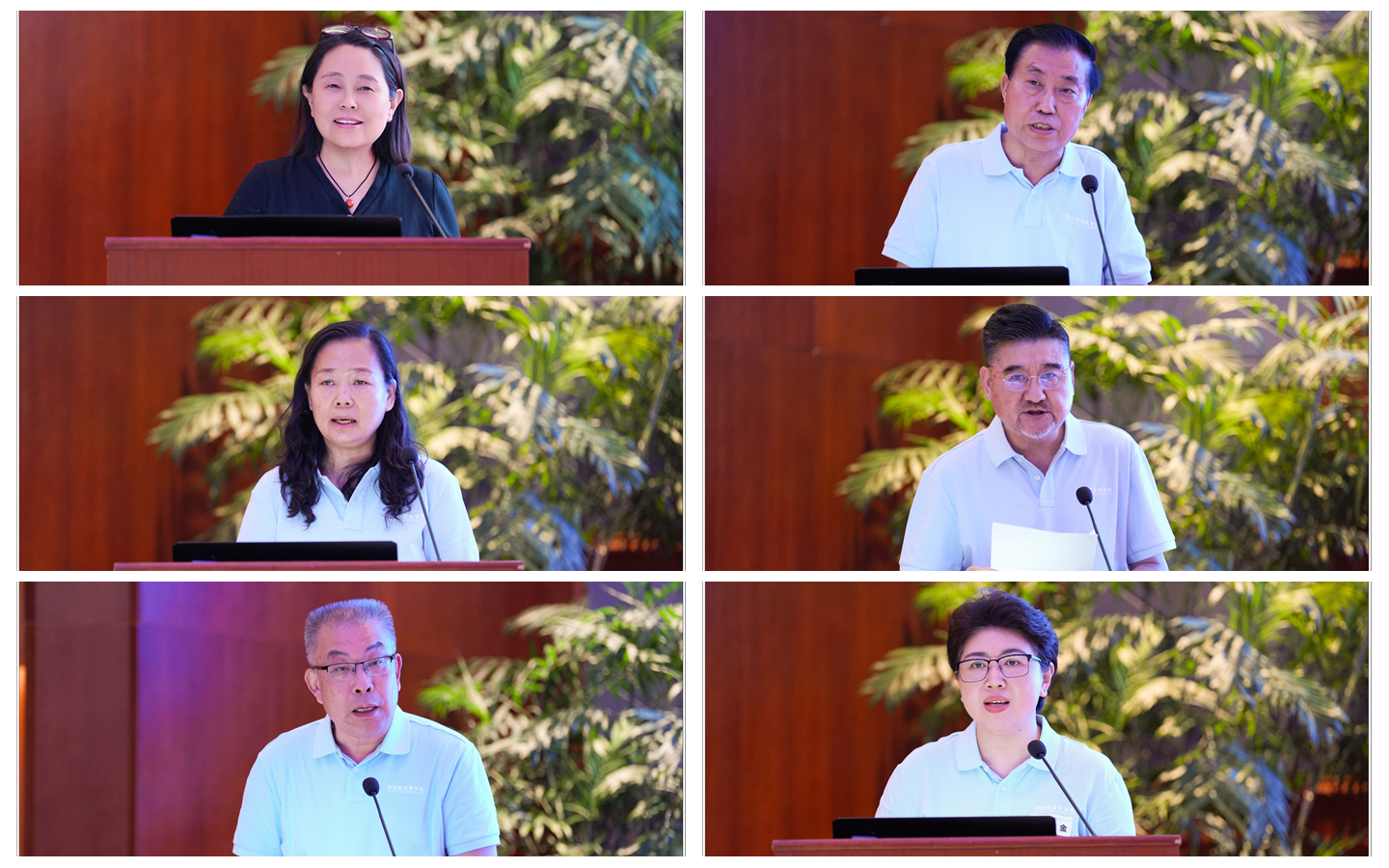
During the second Quality and Efficiency Improvement Workshop held on the afternoon of July 14, all participants were divided into six groups to conduct focused discussions on three major themes: optimizing internal university management processes, reforming enterprise-oriented administration and market-oriented college operations, and “Presenting Our Contributions to the 30th Anniversary Celebration.”
Each group developed a comprehensive work improvement checklist, bringing together valuable ideas for university development from multiple perspectives, including management improvement, institutional reform, and anniversary celebration initiatives that support talent development and education.
After the discussions concluded, the leaders of each group reported their discussion outcomes to the conference in turn, summarizing the reform strategies and practical implementation measures generated during the meeting.
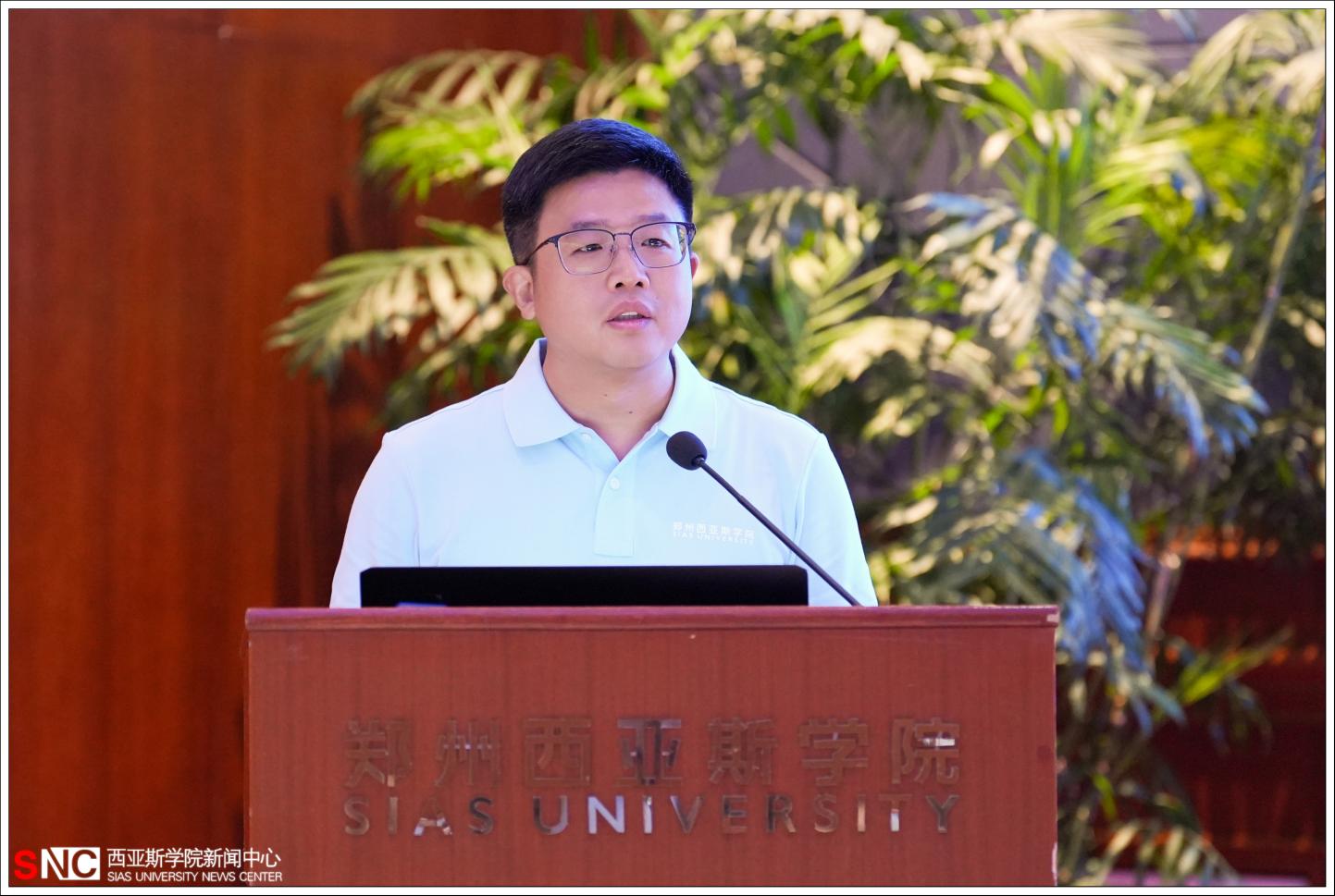
In his concluding speech, Wu Hua shared his reflections on the conference from the perspective of a “learner,” systematically reviewing the key messages and guiding principles of the meeting. Focusing on major tasks such as the 15th Five-Year Plan, efforts toward obtaining authorization to confer master’s degrees, the “AI+X+N” digital transformation initiative, and market-oriented reform, he called on all management personnel to unify their understanding and build consensus.
He reaffirmed the fundamental mission of fostering virtue through education and emphasized the importance of focusing on two key aspects of talent cultivation: “strengthening learning and promoting development.” He called for making the classroom the primary platform for education, actively improving digital literacy, overcoming fear and hesitation toward reform, and fully leveraging the unique advantages of flexible mechanisms in private universities to strive for greater achievements.
Wu Hua encouraged all management personnel to take the award recipients as role models, strengthen their core competitiveness through their respective positions, reject formalism, enhance coordination and collaboration, and face development challenges with a pioneering spirit of reform.
He emphasized the need to effectively balance delegation of authority, management, and services, follow the principles of higher education development and the laws of market economy operations, remain committed to reform and innovation, take initiative and responsibility, focus on practical implementation, and continuously promote the improvement and upgrading of all areas of the university’s development.
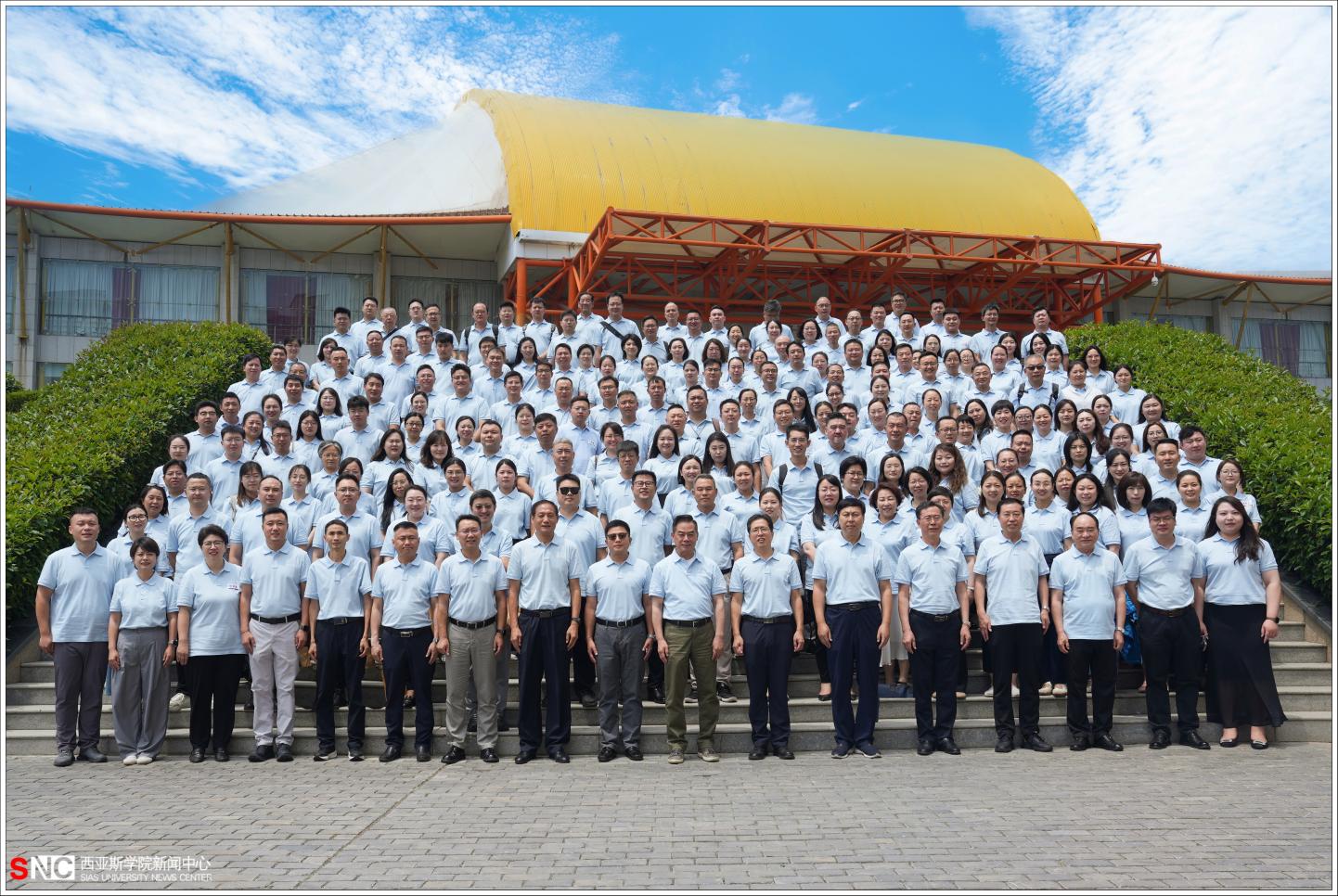
The two-day Summer Work Conference was not only a mobilization meeting to unify understanding and build consensus, but also an in-depth discussion aimed at confronting challenges and solving key problems. Focusing on the theme of “efficiency and pragmatism,” the conference systematically arranged the major tasks for the beginning of the 15th Five-Year Plan and established an effective implementation pathway from top-level strategic planning to grassroots execution.
With strong momentum and a clear sense of responsibility, SIAS University is embarking on a new journey toward greater achievements. Guided by the spirit of this conference, all faculty and staff members will uphold the working principles of “efficiency and pragmatism,” implement each task outlined in the conference action plans, and steadily advance AI education reform, the implementation of the committee-based governance system, and innovation in independent operation mechanisms.
The university will strive to achieve the annual goals of the 15th Five-Year Plan, celebrate its 30th anniversary with high-quality educational achievements, and continuously promote the university’s development toward a higher level of quality, sustainability, and long-term excellence.