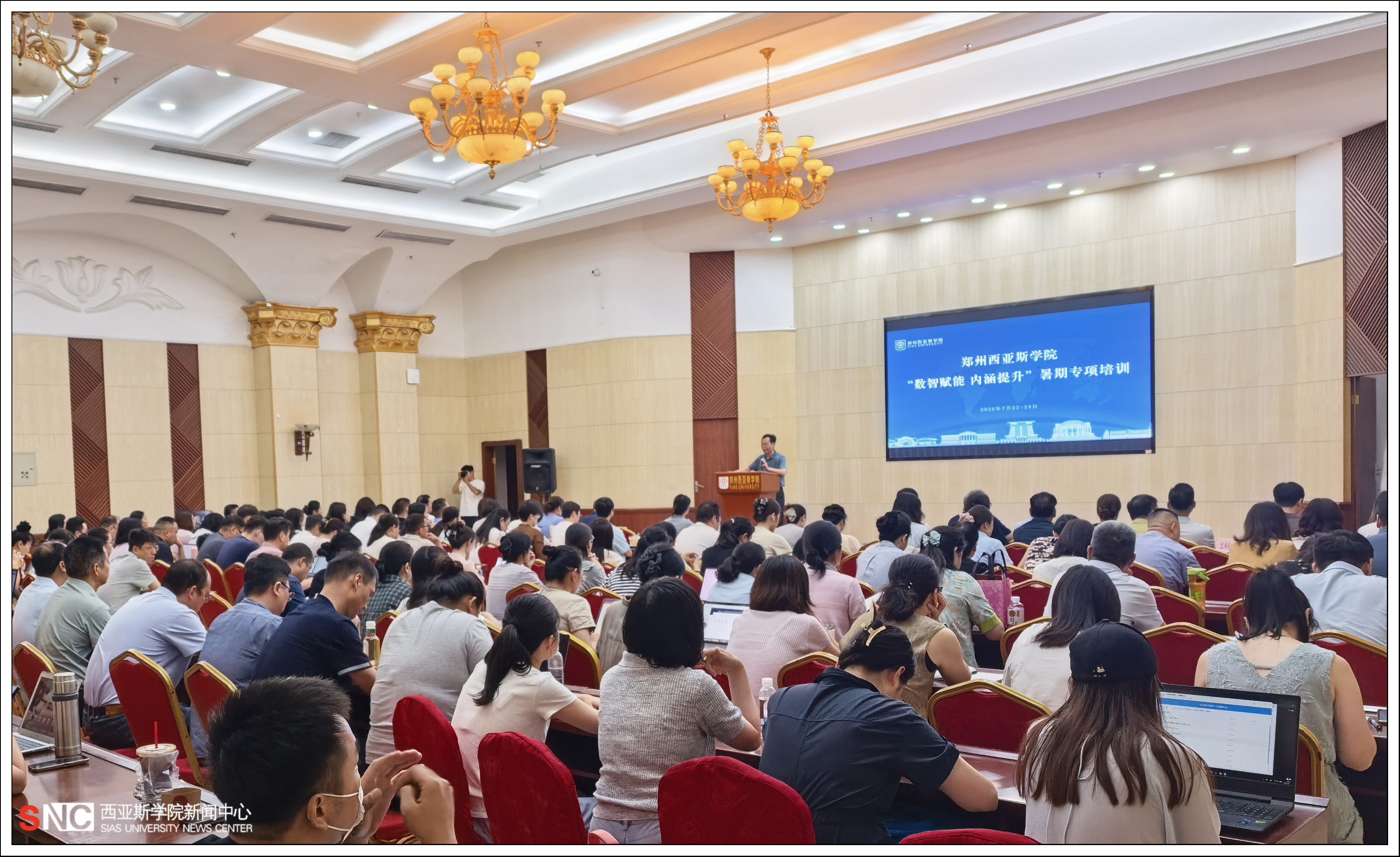
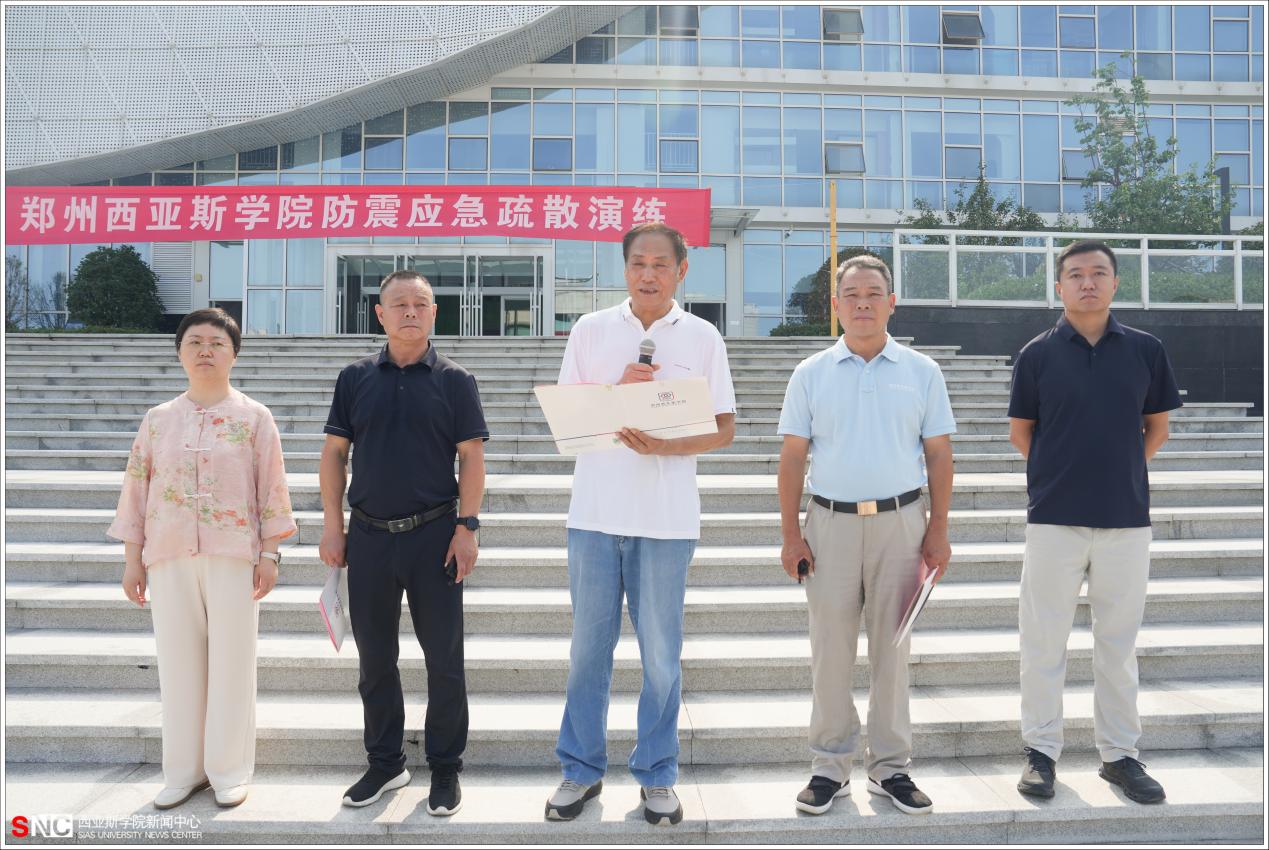
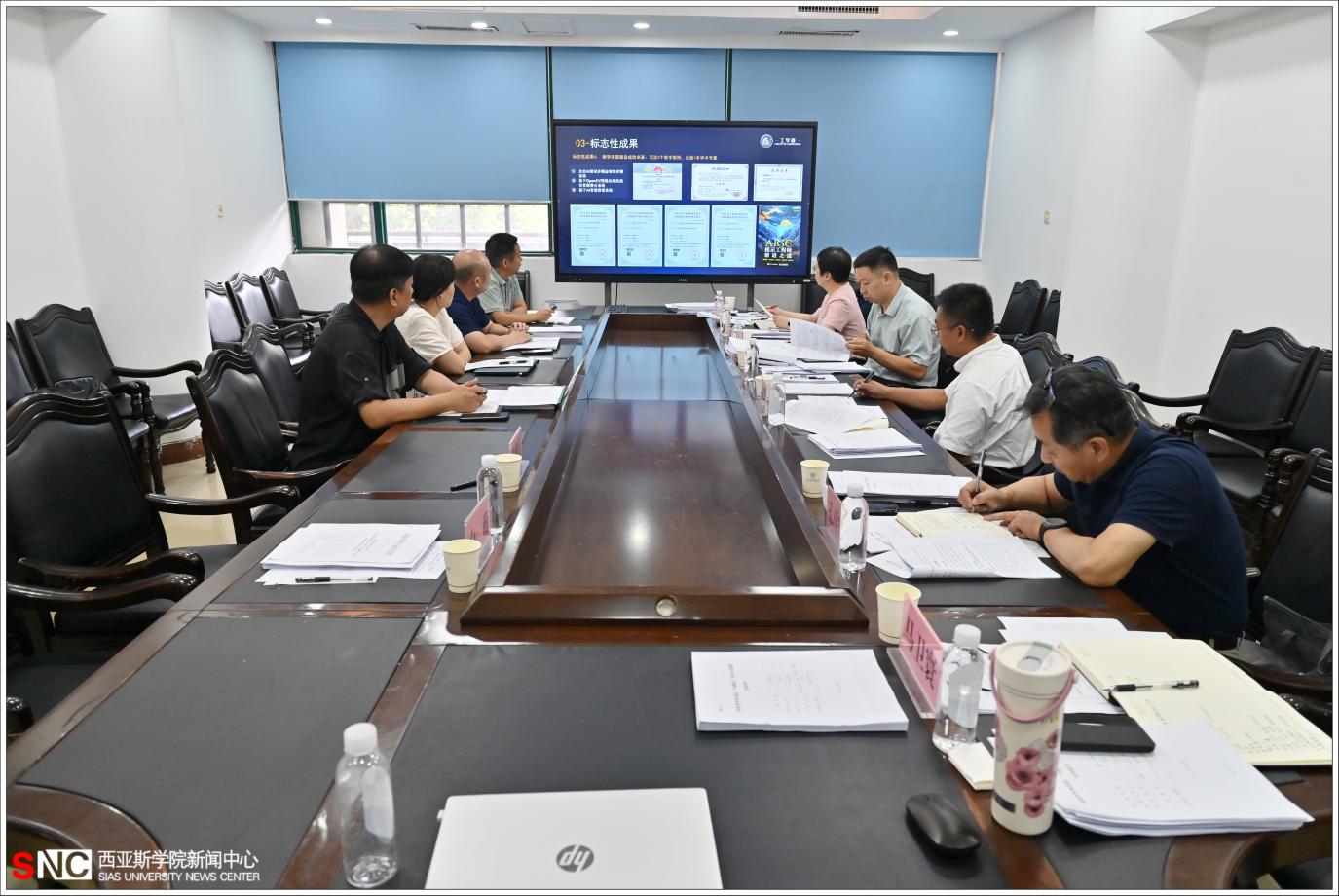
To thoroughly implement the fundamental mission of fostering virtue through education, vigorously promote the spirit of educators, and continuously strengthen the development of faculty ethics and professional conduct in the new era, the Special Training Program on Faculty Ethics and Teaching Regulations was held from July 15 to 16 in the Academic Lecture Hall of T19 Teaching Building. The program was organized by the Party Committee Teacher Affairs Department and hosted by the School of Engineering.

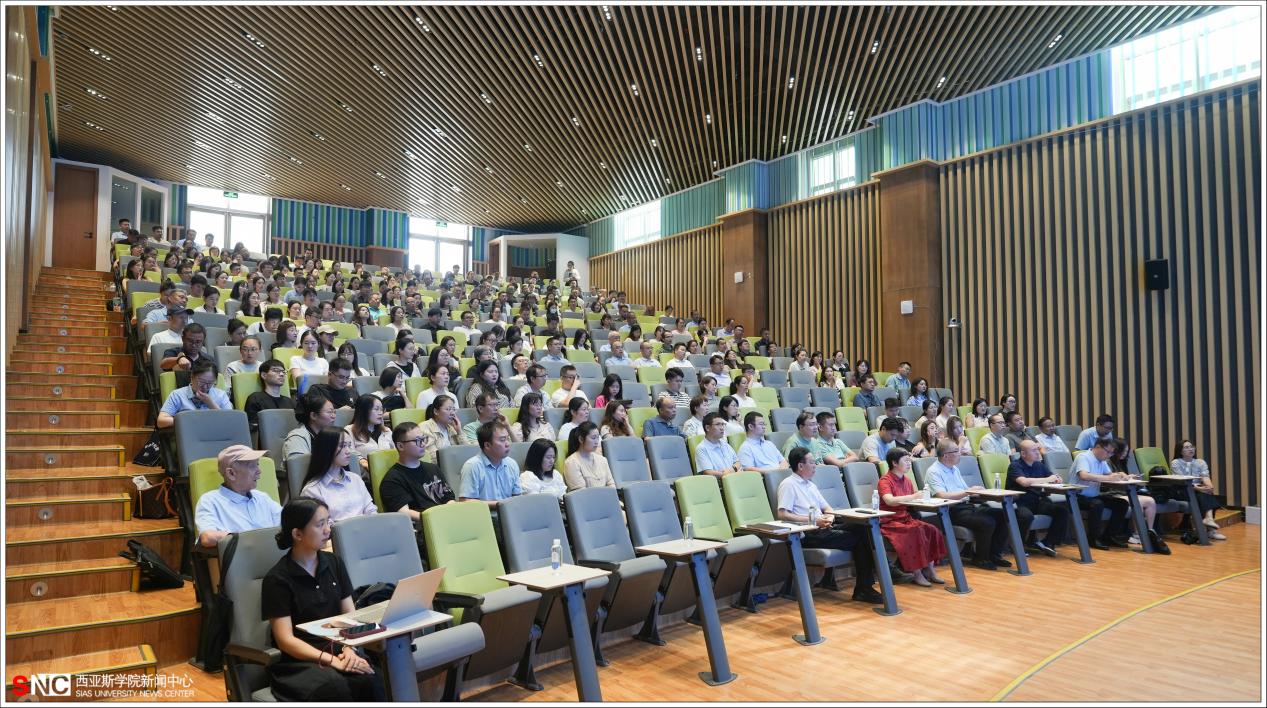
University leaders, representatives from the Party Committee Teacher Affairs Department, School of Engineering, and Academic Affairs Office, faculty representatives from various professional schools and departments, all faculty and staff members of the School of Engineering, as well as instructors assigned by partner enterprises including iFlytek, Pactera Technology International, and Century Dingli, participated in the two-day intensive training program.
Opening Session: Strengthening Faculty Ethics and Upholding Teaching Standards
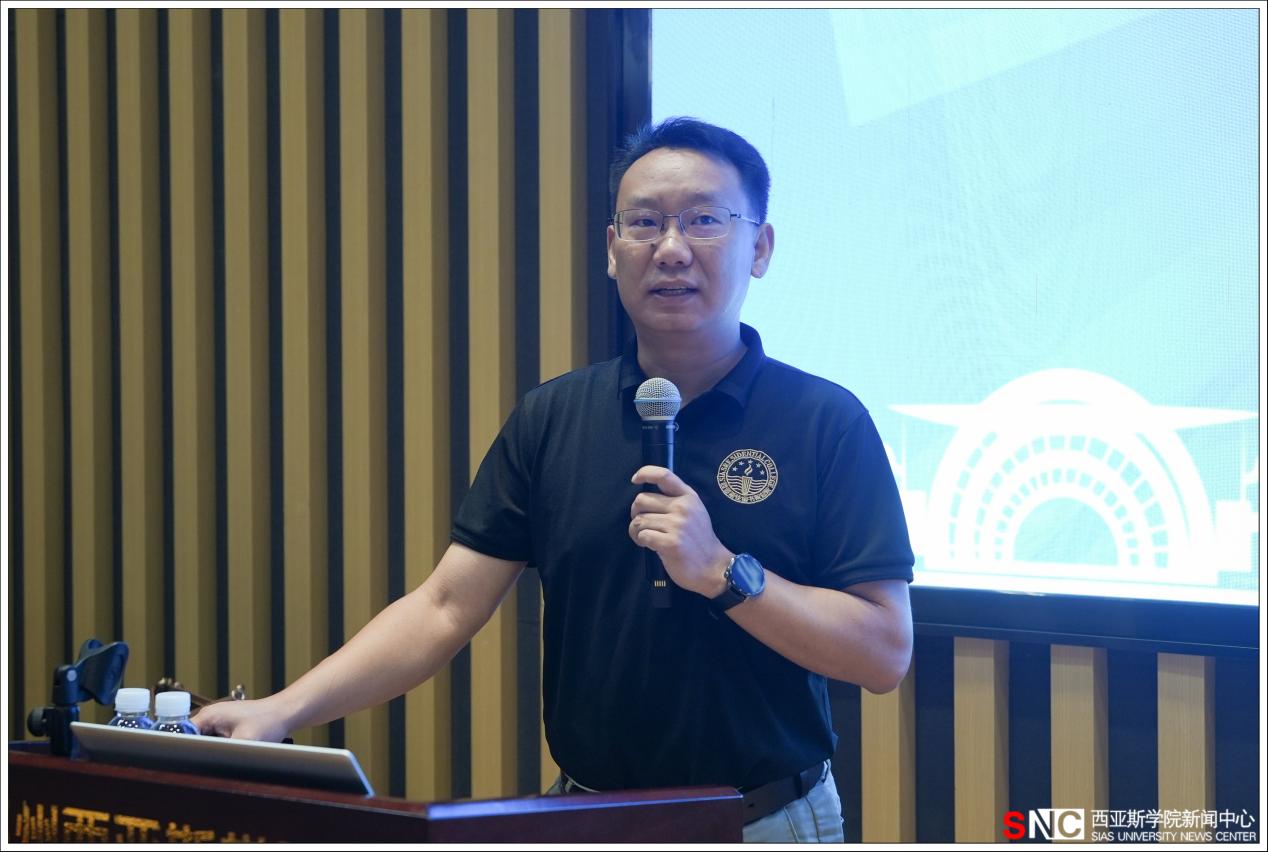
On the morning of July 15, the special training officially began. Liang Dong, Director of the Party Committee Teacher Affairs Department, delivered the opening mobilization speech. He conveyed the requirements and arrangements from higher-level authorities regarding faculty ethics development and emphasized that professional ethics is the primary standard for teachers in their careers and educational practice.
He called on all faculty members to strengthen their awareness of responsibility, strictly follow the standards of being “Four-Qualified Teachers,” and integrate ethical cultivation throughout the entire process of classroom teaching, student management, scientific research, and talent cultivation. He also stressed the importance of always adhering to professional ethics standards and maintaining the bottom line of teacher conduct.
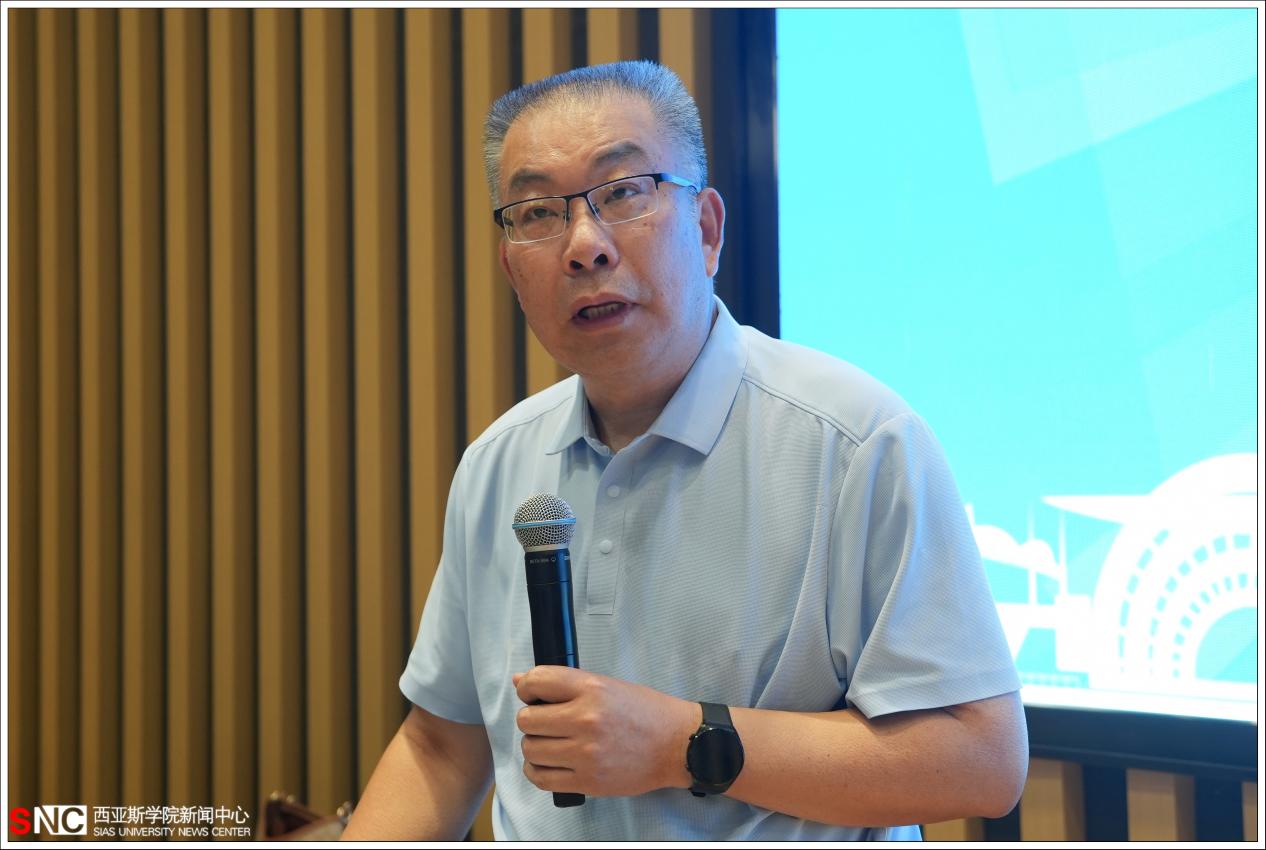
Shen Jianjing, Dean of the School of Engineering, delivered a keynote speech titled “Maintaining the Bottom Line of Faculty Ethics and Strictly Following Teaching Standards.” Based on typical issues identified within the school, he promoted improvement through case studies, analyzed potential risks in faculty ethics across key scenarios such as professional teaching, practical training guidance, and graduation project supervision, and proposed action guidelines for strengthening faculty ethics and teaching regulation compliance within the School of Engineering.
University leaders made systematic arrangements for the university’s ongoing faculty ethics development. They required all professional schools and departments to strengthen their primary responsibilities in faculty ethics construction, regularly conduct learning and self-assessment activities, and establish a long-term supervision mechanism for talent cultivation.
During the discussion session, department heads from the School of Engineering reviewed their work against faculty ethics standards and teaching regulations, identified existing shortcomings, and proposed targeted improvement measures. Through self-reflection and self-evaluation, they encouraged all faculty members to remain vigilant, prevent problems before they occur, and continuously improve professional conduct.
Sang Yuan, Deputy Secretary of the Party General Branch of the School of Engineering, provided a detailed interpretation of the “Ten Standards of Professional Conduct for University Teachers in the New Era,” the “Measures for Handling Violations of Faculty Ethics at Zhengzhou Sias University,” and requirements related to classroom ideological management.
Combining examples involving public opinion response, classroom behavior, and academic integrity, she conducted warning education to help faculty members clearly understand professional boundaries and maintain respect and responsibility in their teaching careers.
Shang Guanyu, Deputy Dean of the School of Engineering, focused on teaching management-related regulations. Based on typical cases involving engineering practical training, course assessments, and classroom instruction, he clarified standardized requirements throughout the entire teaching process, corrected common irregularities in daily teaching practices, and encouraged all teachers to develop professional awareness of teaching according to law and educating according to regulations.
Expert Lecture: Learning and Practicing the Spirit of Educators
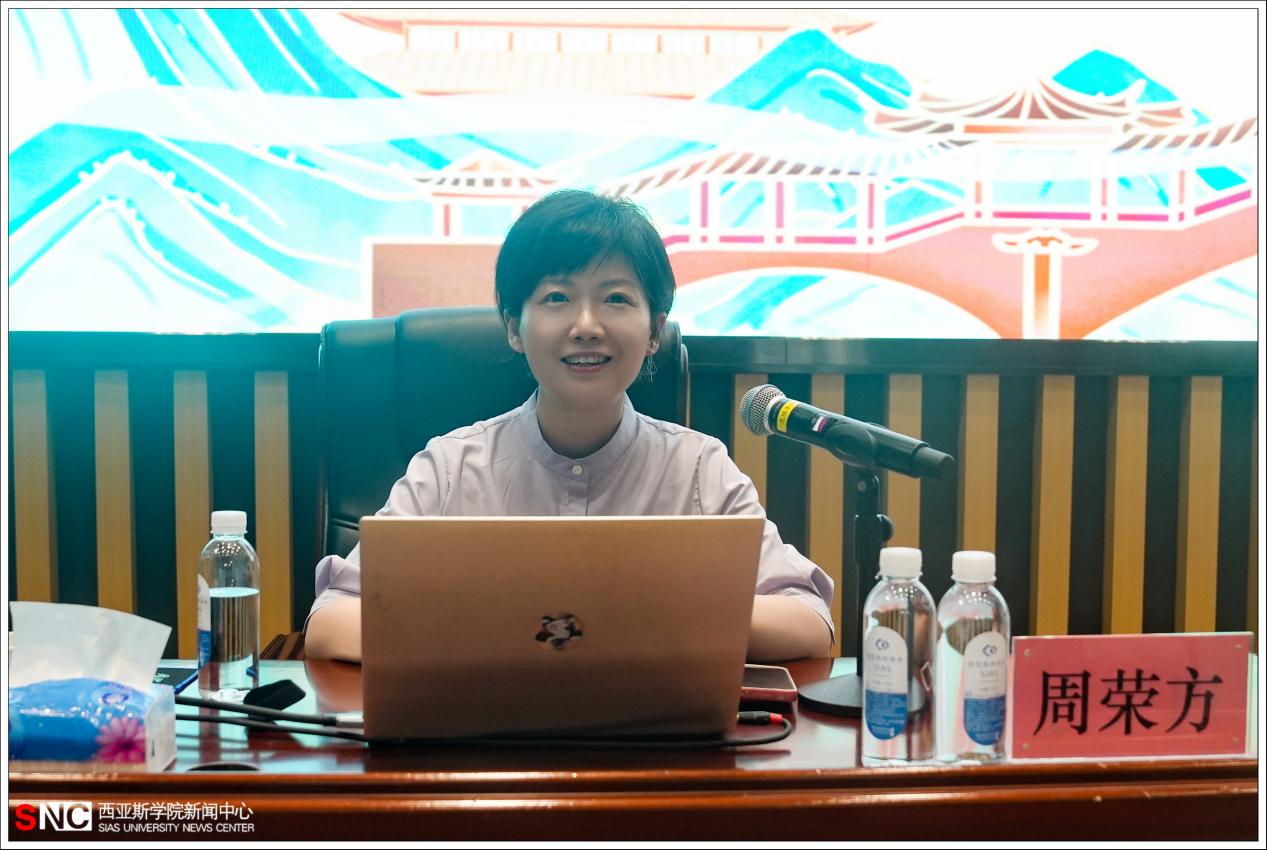
On the afternoon of July 15, the program invited Professor Zhou Rongfang from Zhengzhou University, a representative of the 20th National Congress of the Communist Party of China and a member of the Ministry of Education’s National Touring Lecture Group on the Spirit of Educators, to deliver a special lecture.
The lecture was titled “Making Education Practical, Timely, and Forward-Looking — Learning and Practicing the Spirit of Educators.”
Drawing upon her long-term experience in ideological and political education, Professor Zhou provided a multi-level interpretation of the contemporary meaning of the spirit of educators. Through vivid cases of talent cultivation, she explained effective approaches to integrating patriotism, social responsibility, and compassion into education.
She encouraged all teachers to strive toward the standard of being a “great educator,” dedicate themselves to frontline educational work, and continuously improve their commitment to cultivating talent. The lecture received widespread recognition and strong resonance among participating faculty members.